Jerusalem’s City Of David
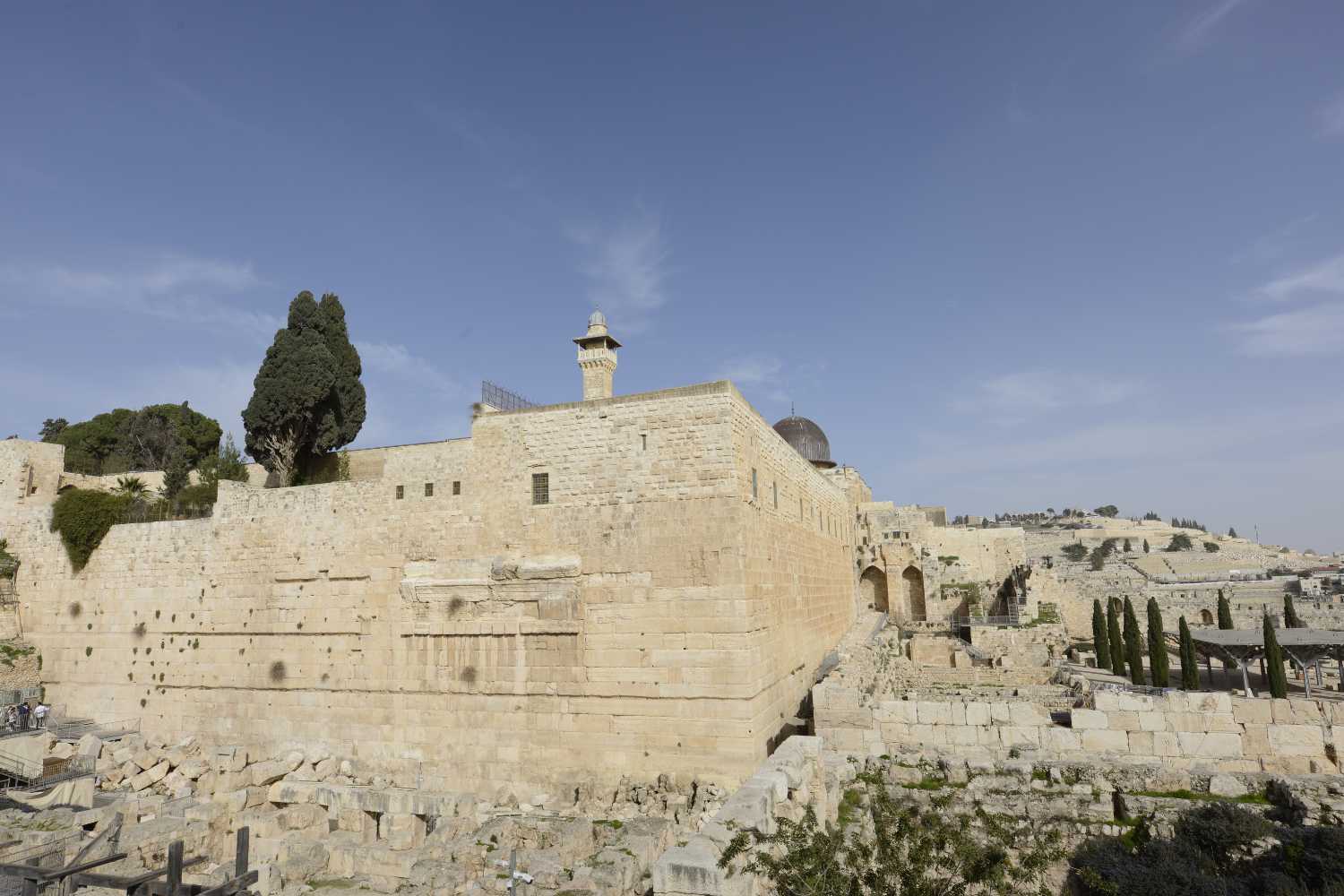
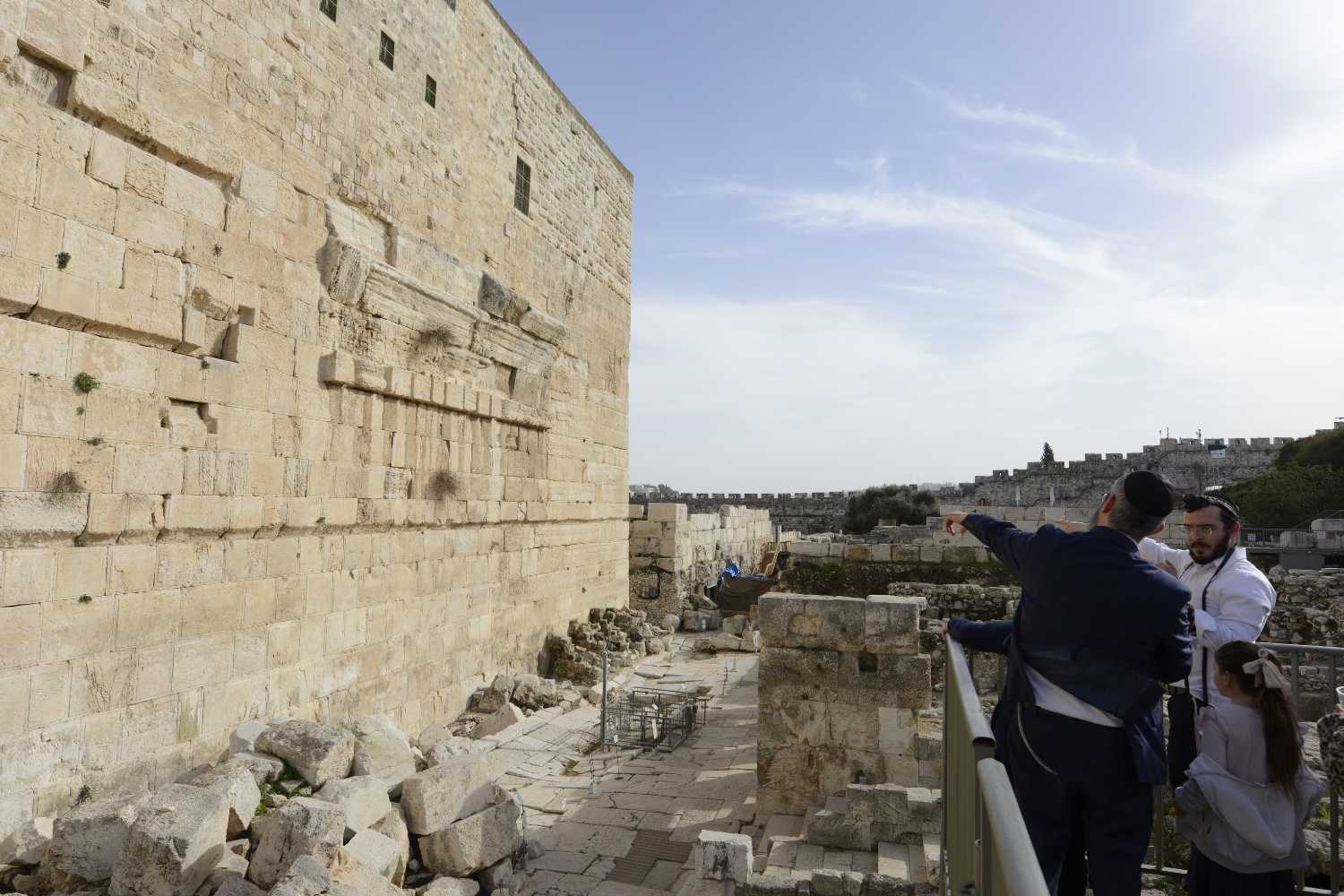
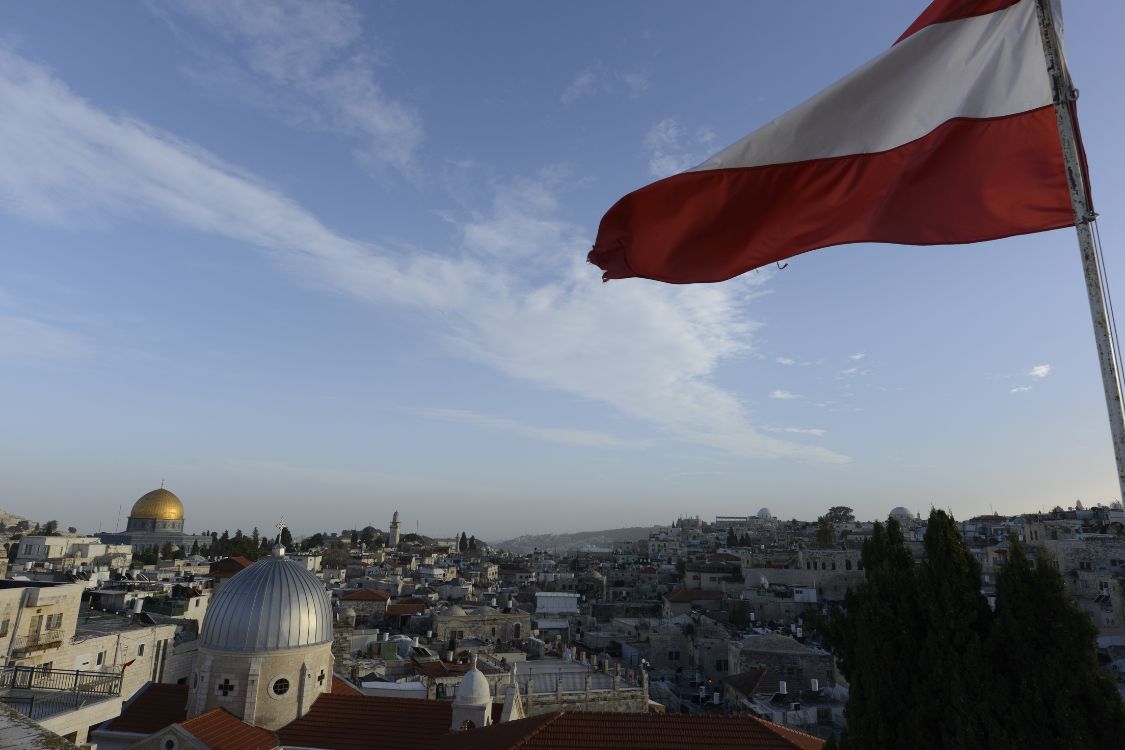
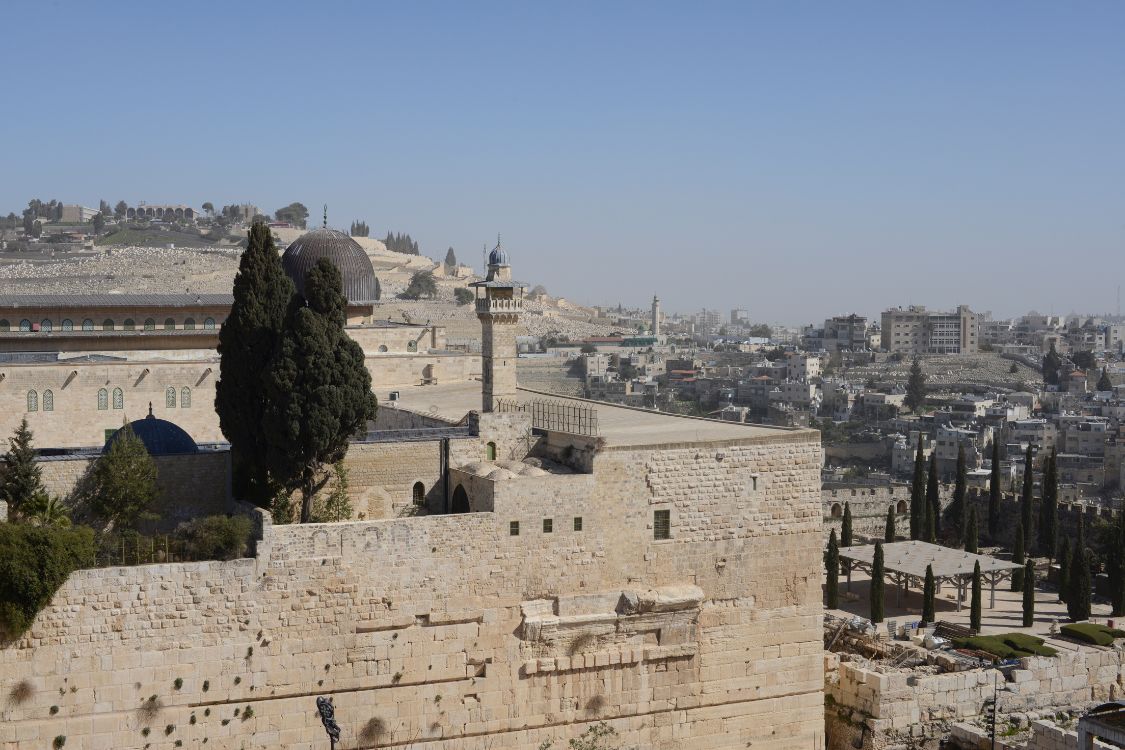
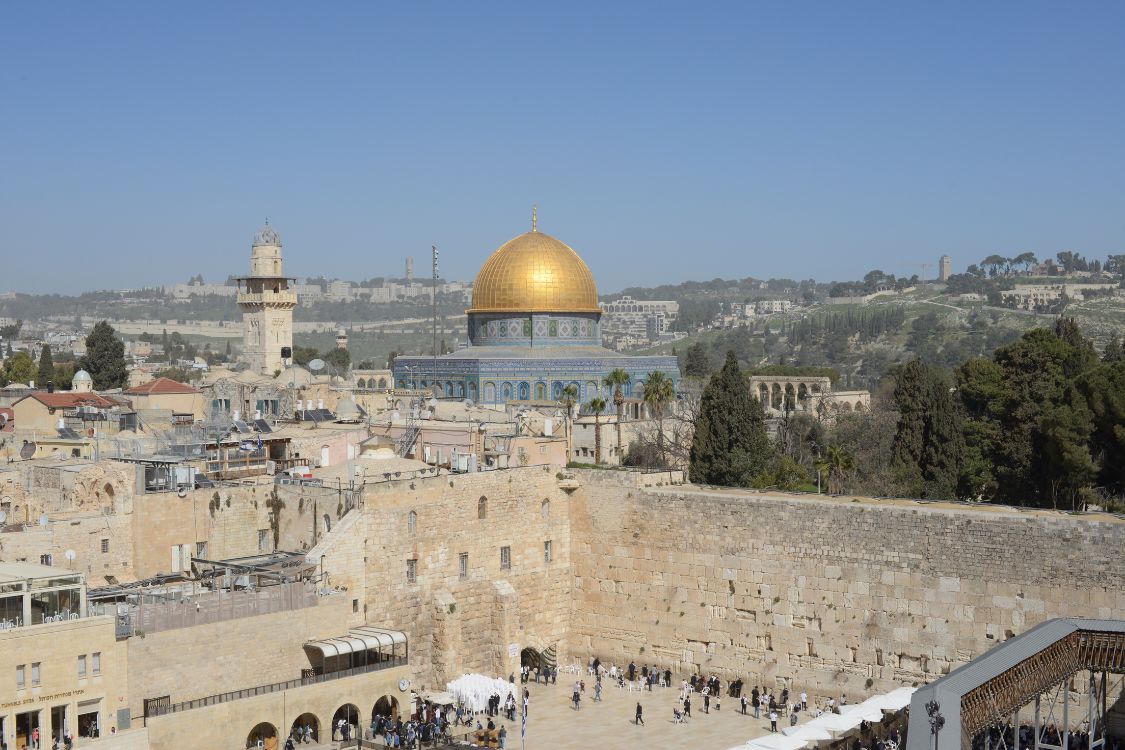
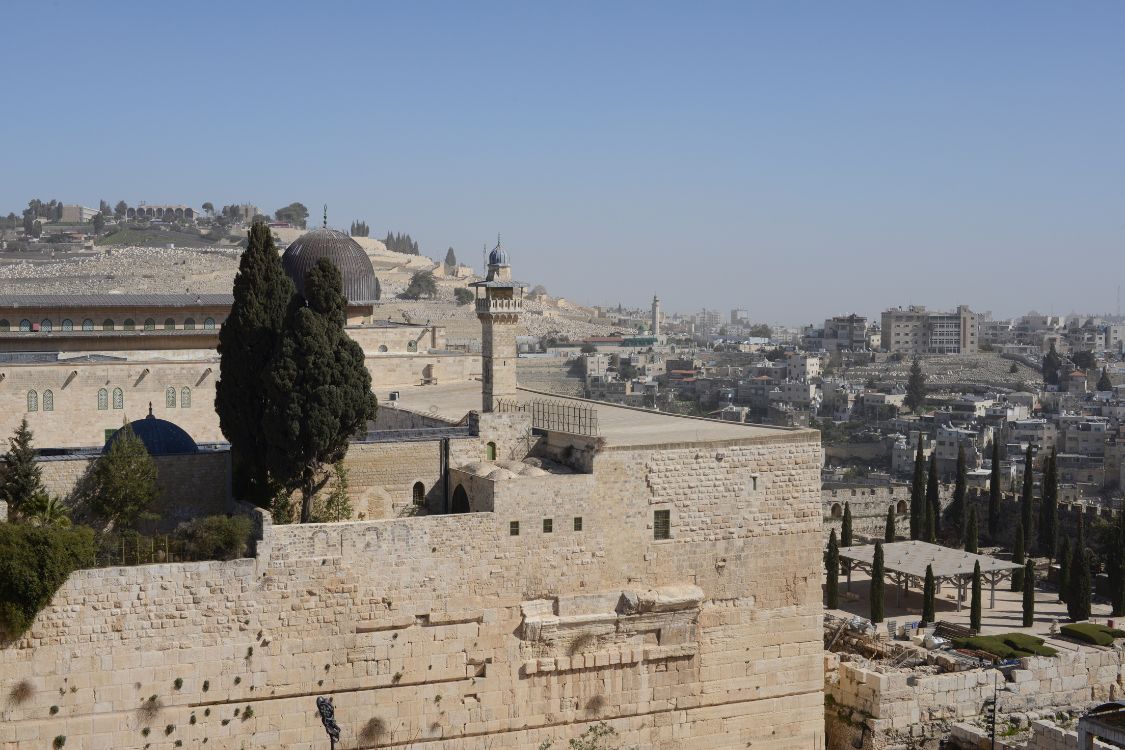
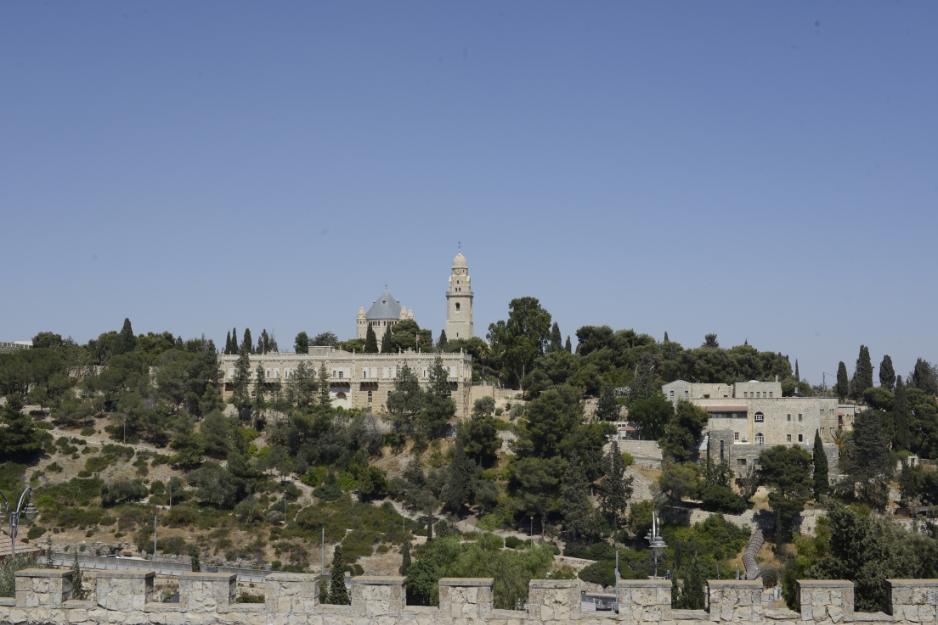
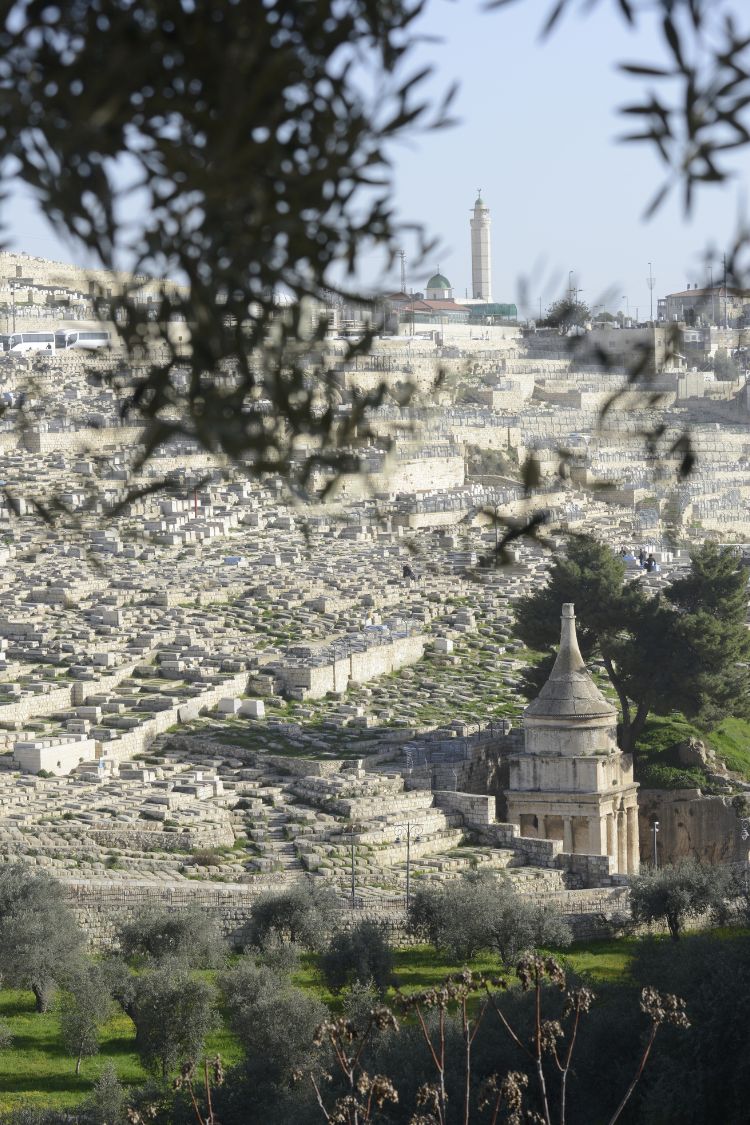
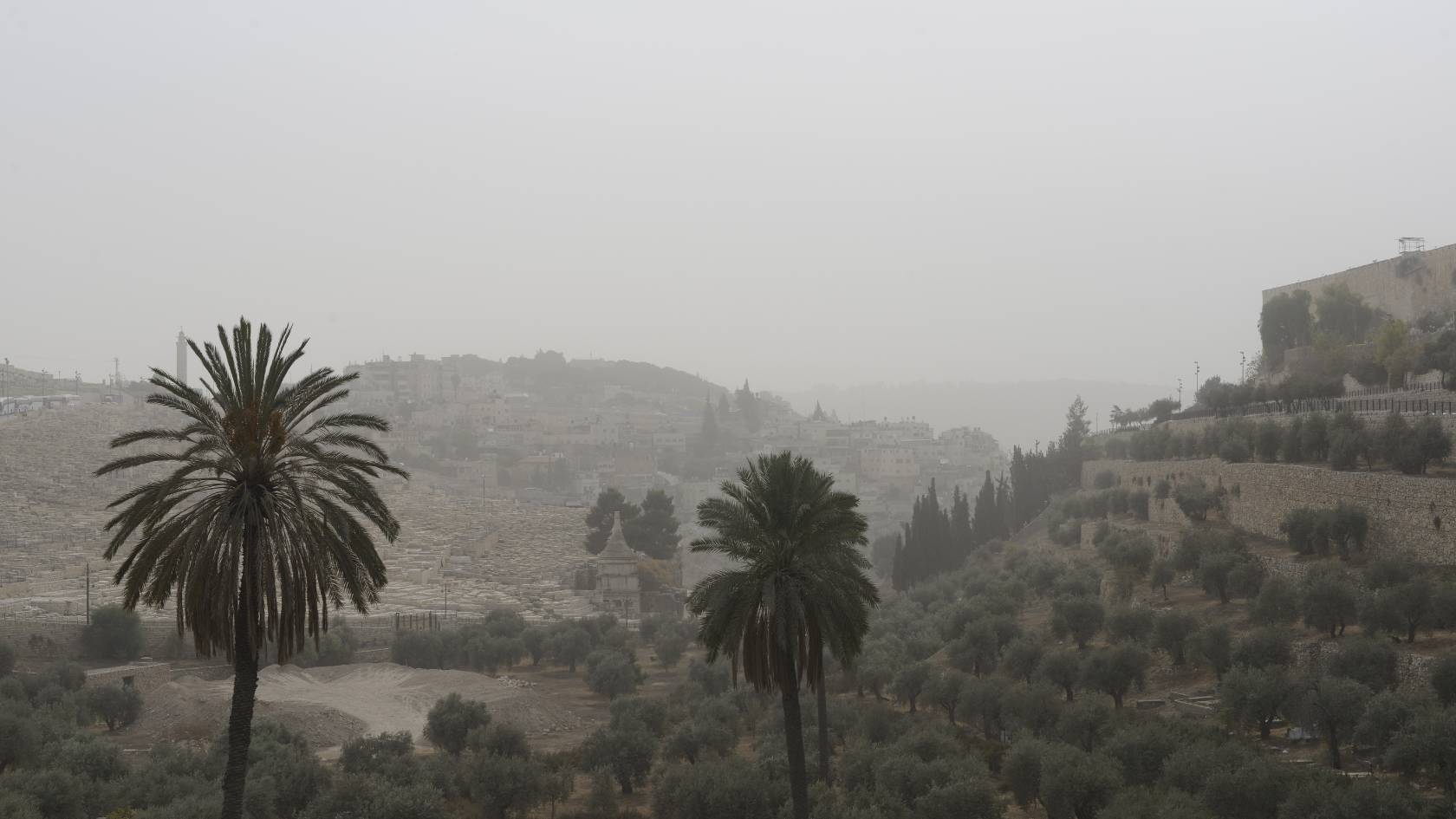
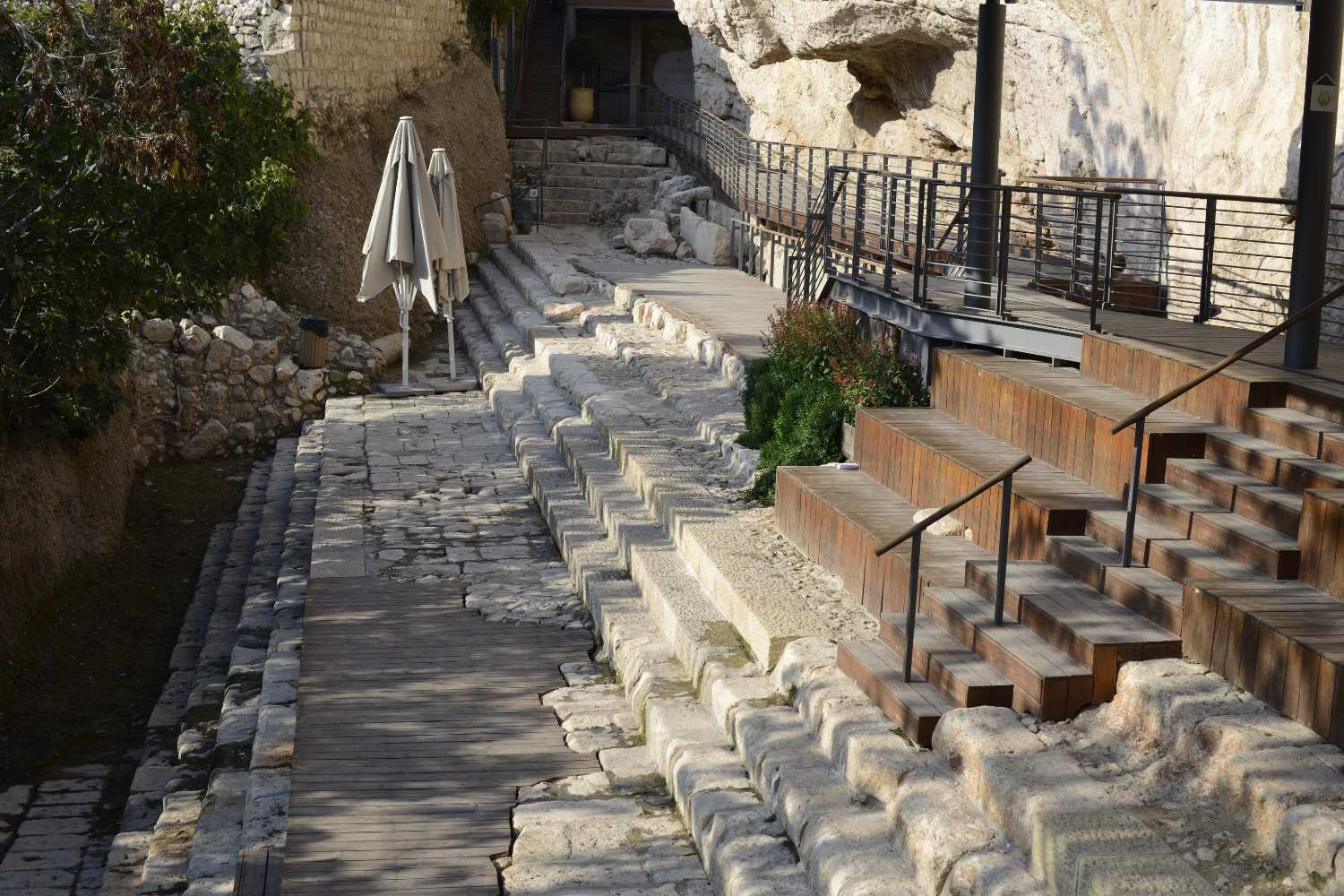
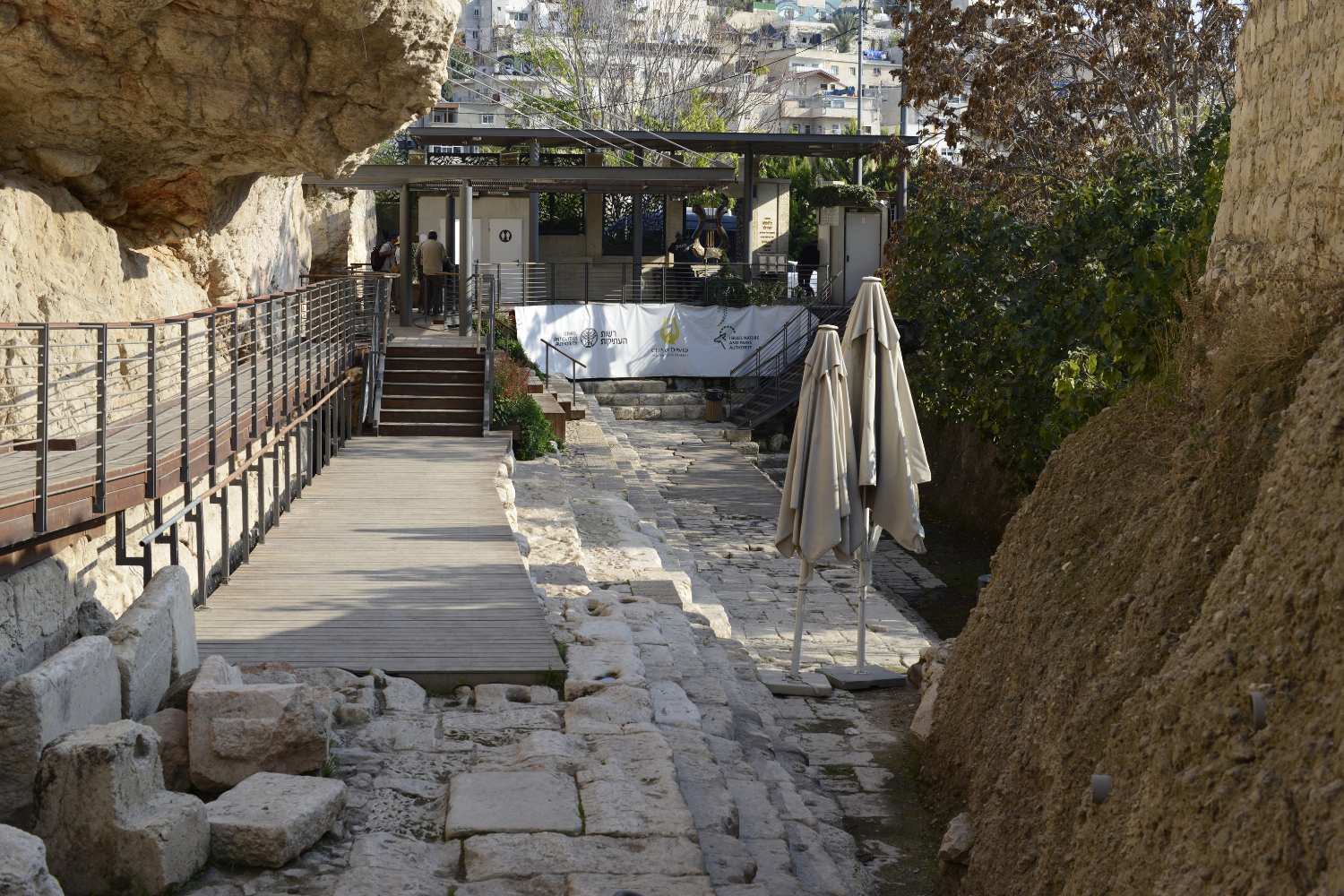
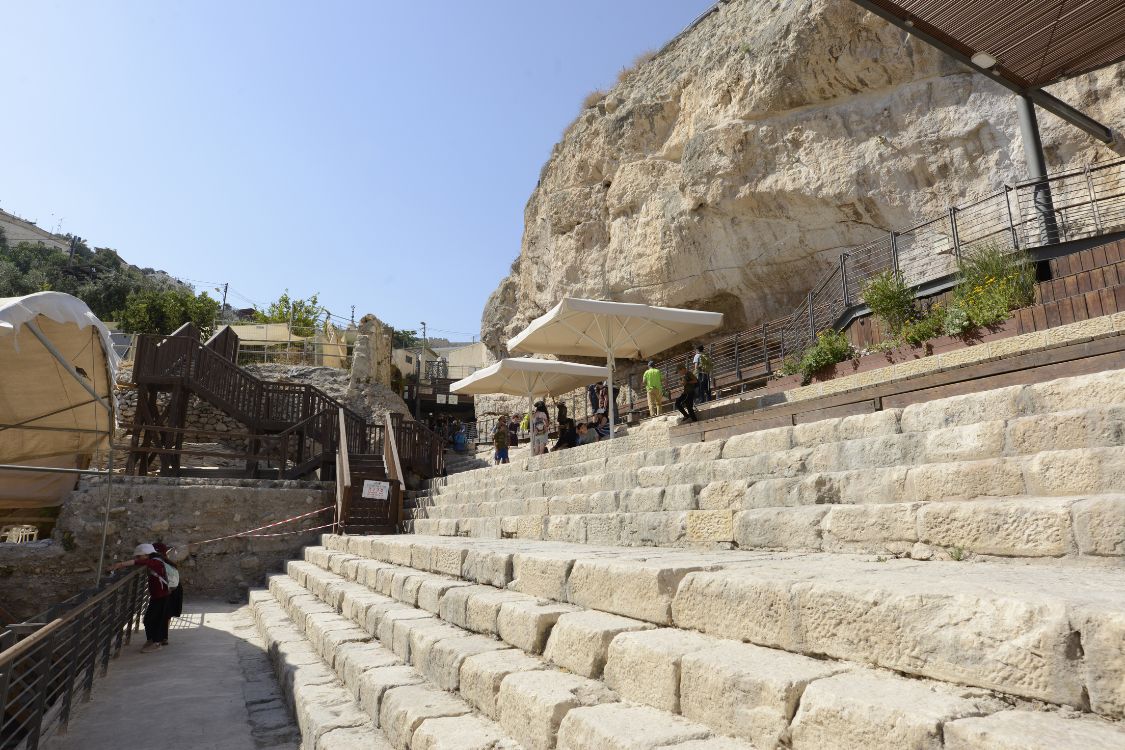
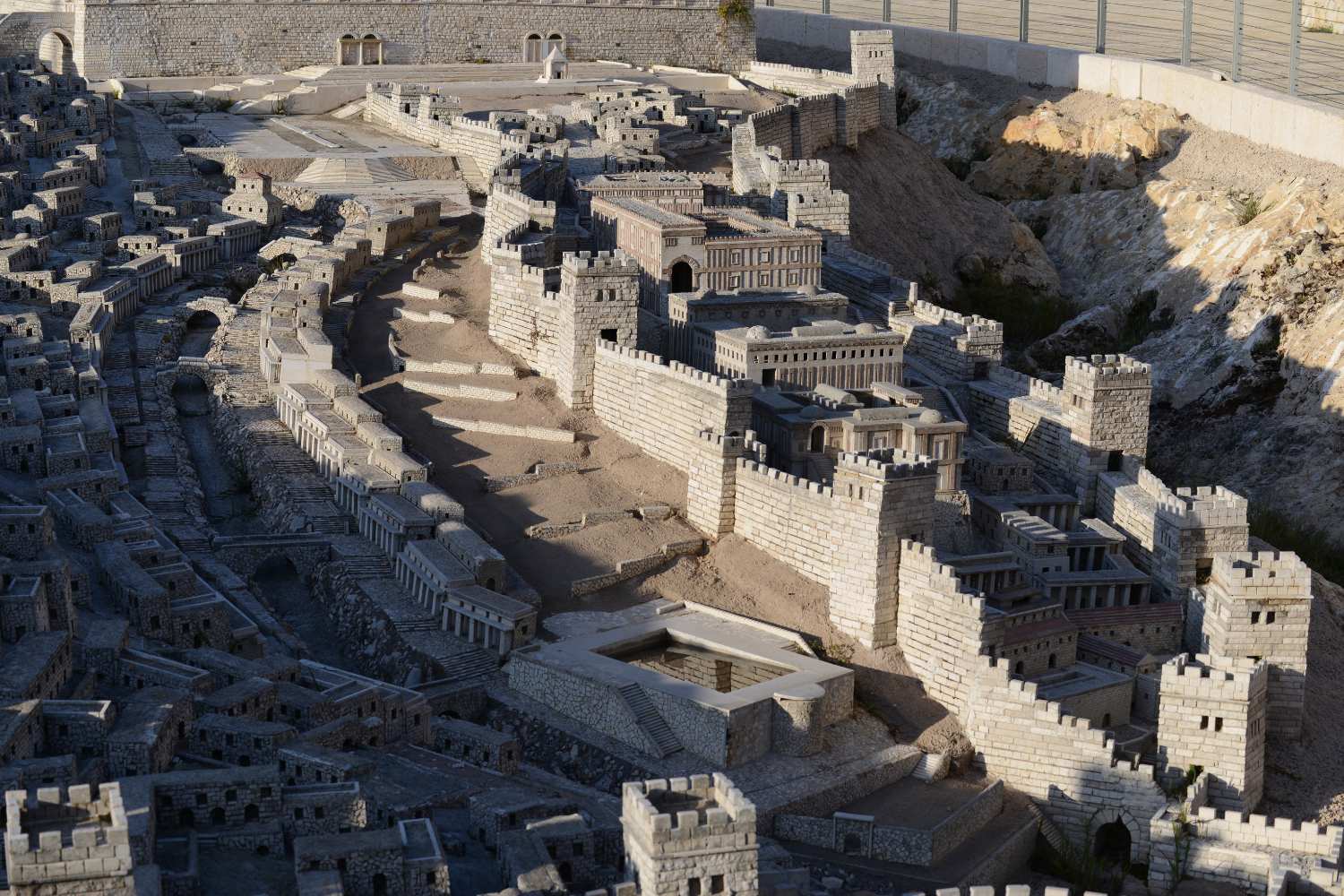
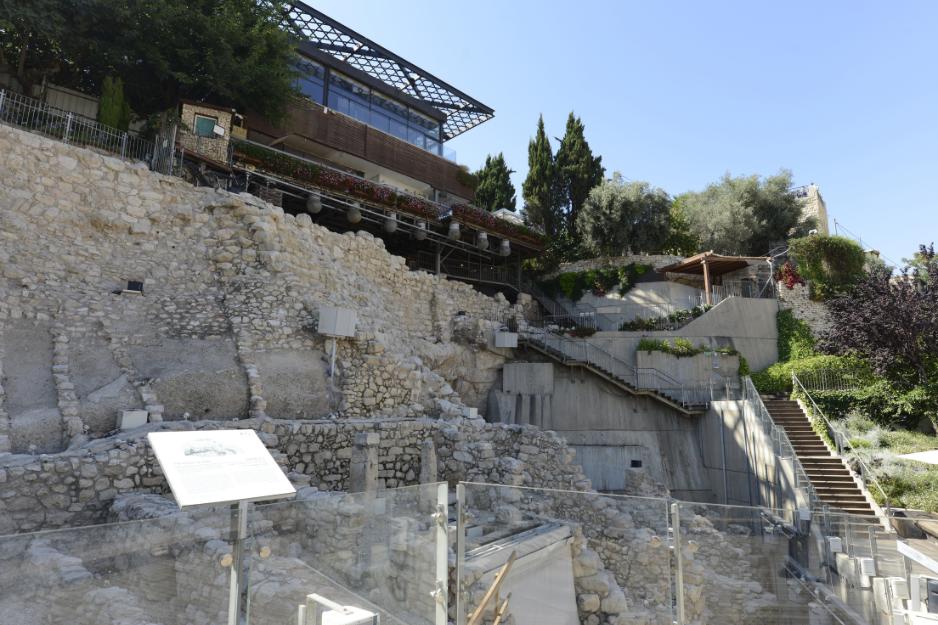
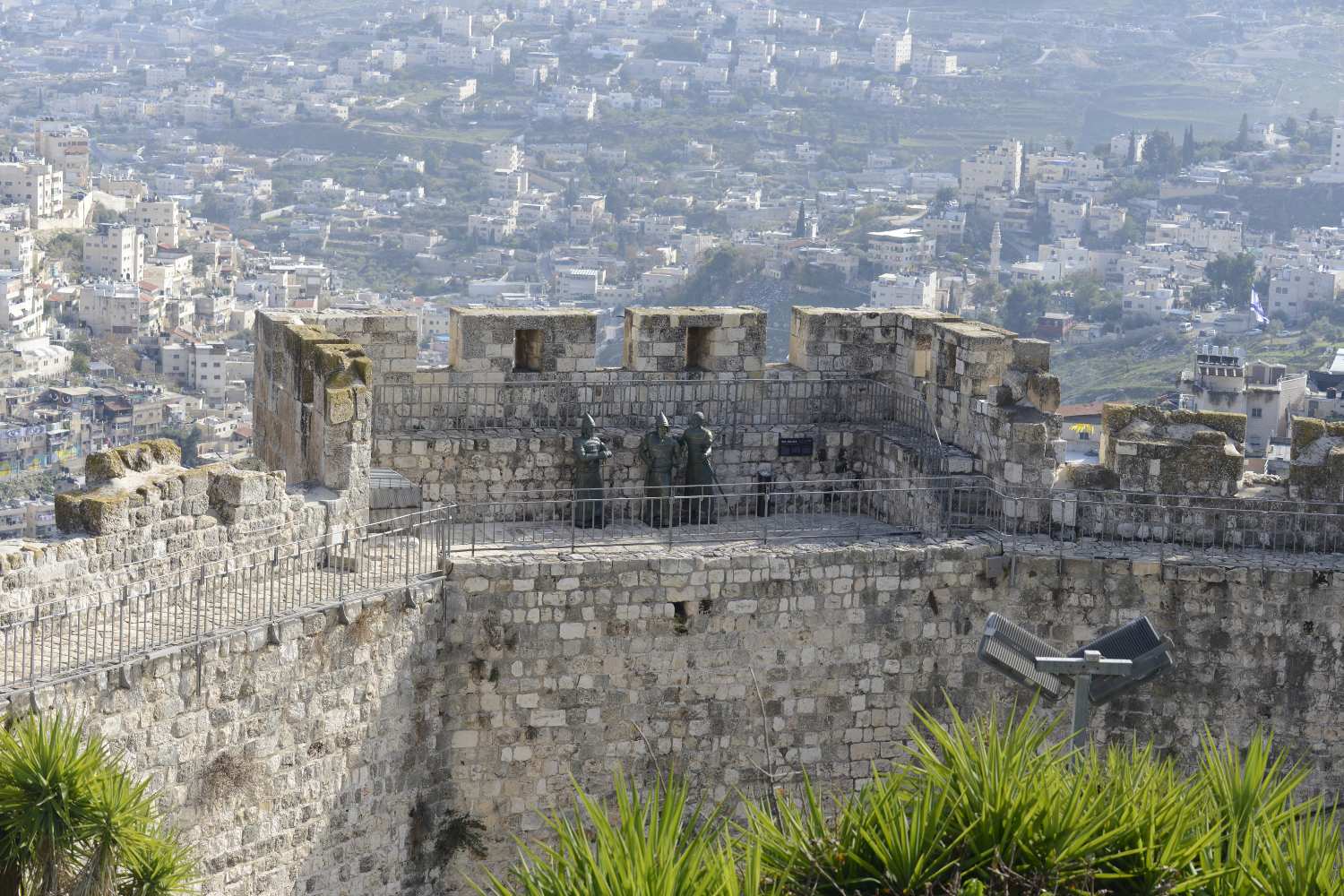
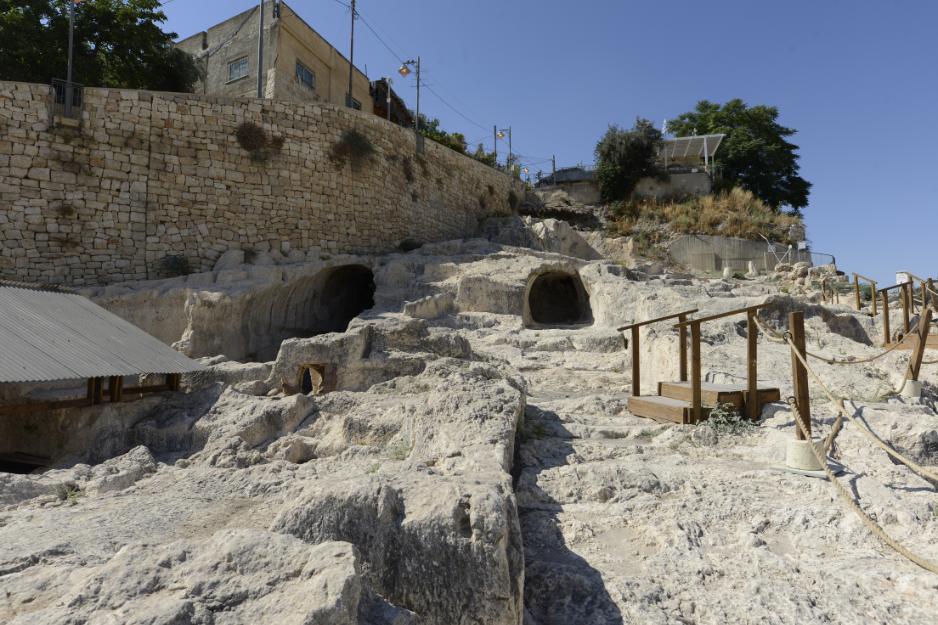
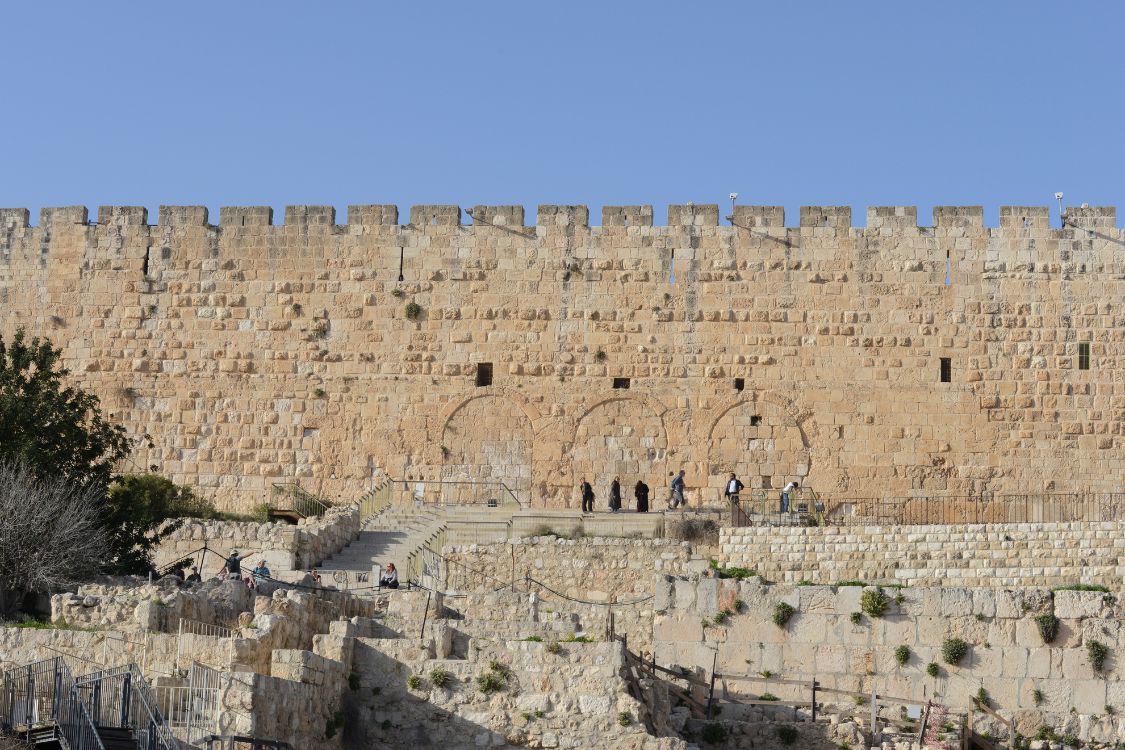
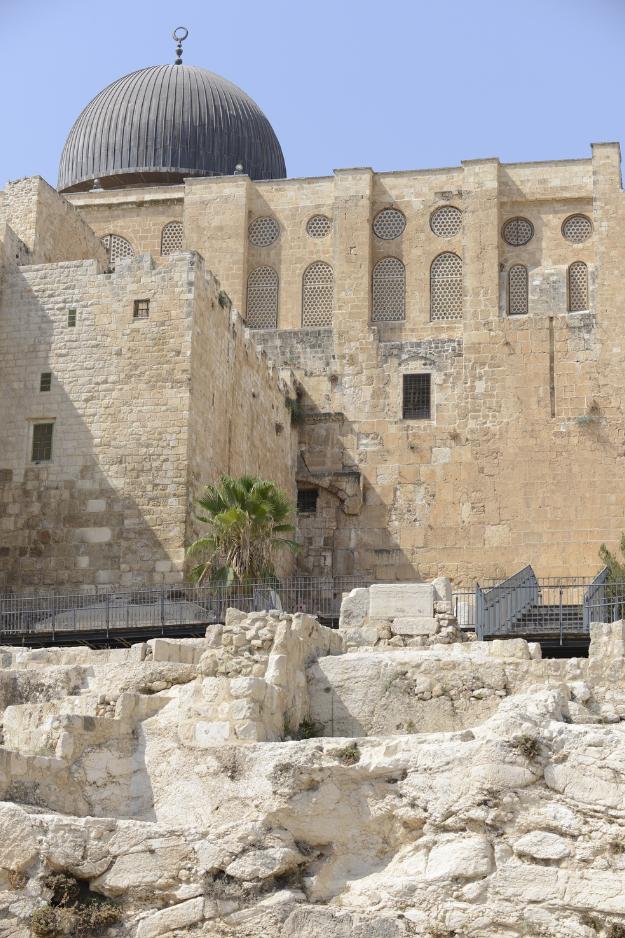
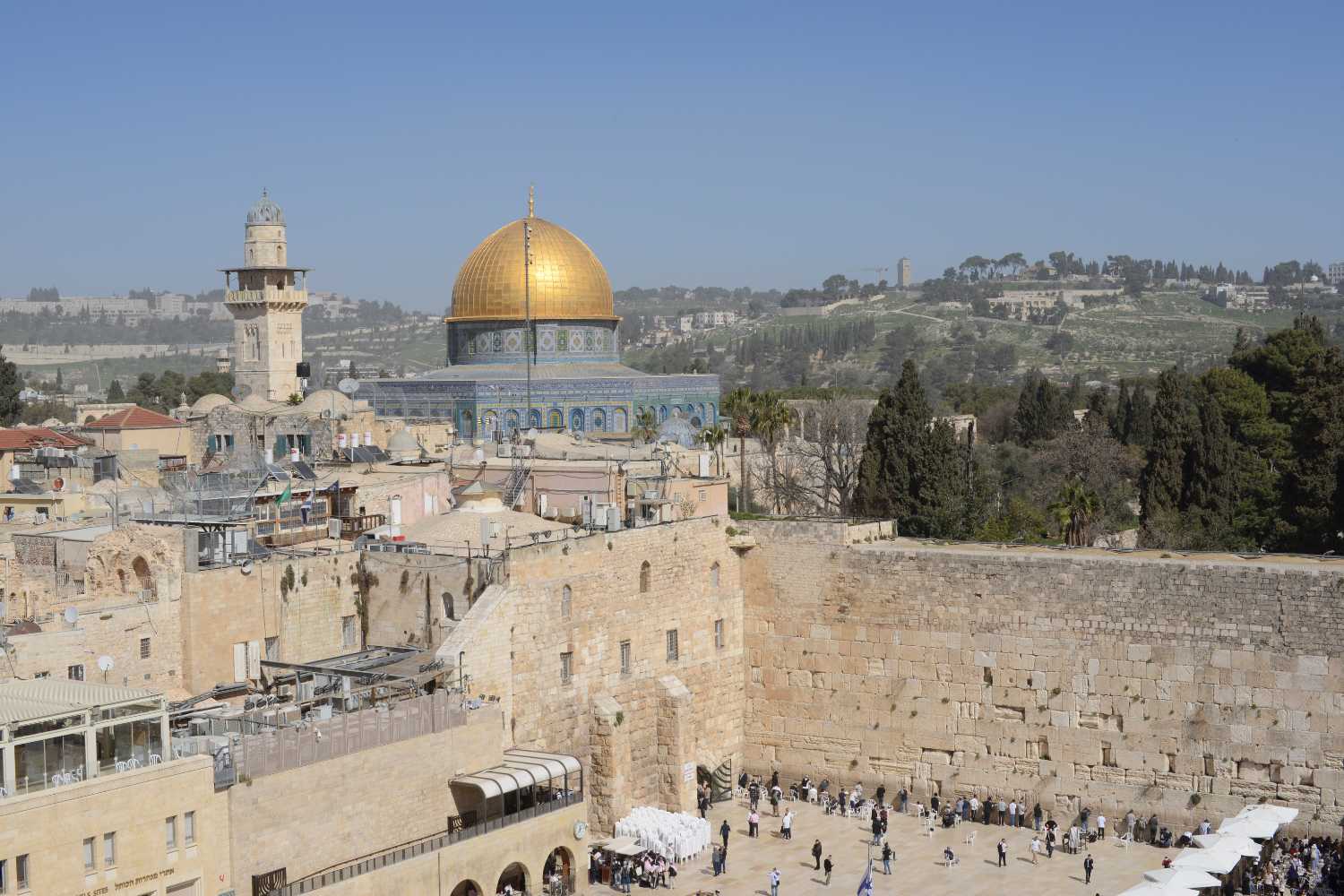
Jerusalem as we know it today is vastly different from its humble beginnings as the City of David. On the eastern ridge of ancient Jerusalem, along the slope known as the Ophel, just south and below the Temple Mount, lies the City of David—a modest hill where Jerusalem’s story first began, woven with history, memory, and destiny.
It bears the name of King David, the shepherd-poet of Bethlehem, son of Yishai, ruddy-haired and bright-eyed, who once sang to the wind and guarded his father’s flock beneath open skies. According to Christian belief, from the lineage of David the Messiah will arise. Jesus is believed to have descended from the House of David — a royal bloodline woven into prophecy, promise, and redemption.
Warrior and dreamer, David felled Goliath in the Valley of Elah with nothing but faith and a sling. He led Israel against the Philistines and made Jerusalem its spiritual pulse. Yet he would not build the First Temple; that honor was granted to his son Salomon, born of Bat-sheva, after David’s sin and sorrow.
After seven years and six months reigning in Hebron, David chose Jerusalem as the heart of his united kingdom — a neutral ground belonging to the tribe of Benjamin, not Judah, his own — a quiet gesture of unity, gathering the twelve tribes beneath one crown, one hope.
His life unfolded in triumph and in tragedy — Saul’s relentless pursuit, the prophet Nathan’s rebuke, and the dark prophecy that “the sword shall not depart from your house.” It came to pass: His children brought him only sorrow—Amnon’s assault on Tamar, Avsalom’s revenge and rebellion, David’s exile, and finally Avsalom’s heartbreaking death at the Battle of Gilead.
Many identify this hill with ancient “Shalem,” the Canaanite root of the name Jerusalem, later a Jebusite stronghold. When David conquered it, Jerusalem became the capital of a united Israel — a political, spiritual, and sacred center in the days of the First Temple.