Haifa Bahai gardens, the German colony & Ein Hod

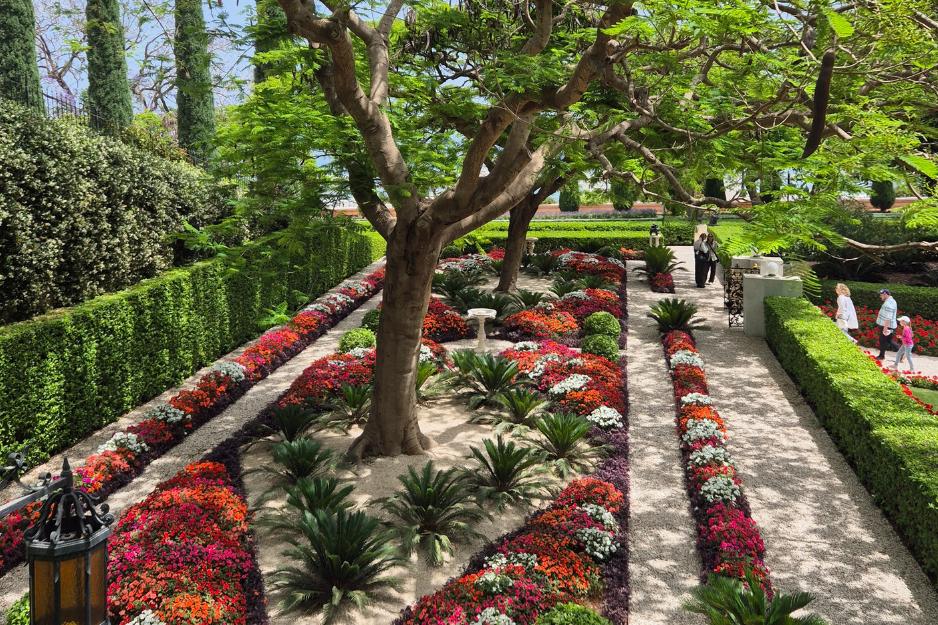
Haifa’s Bahá’í Gardens dazzle with 19 breathtaking terraces flowing down Mount Carmel toward Ben Gurion Boulevard, best explored on a guided tour. Nearby, the German Colony mixes cafés, history, and lively vibes, while Ein Hod Artists’ Village—just 10 minutes away—adds galleries, greenery, and bohemian charm. The nearby Muhraka and Stella Maris sites tell the dramatic story of the prophet Elijah, sacred to both Jews and Christians.
Written by Zvika Gasner Koheleth 13-May-2026 ( Originally 11-March-2019, updated on 01-April-2021,11-December-2024 ) Photography by Angela Hechtfisch
Haifa General Info
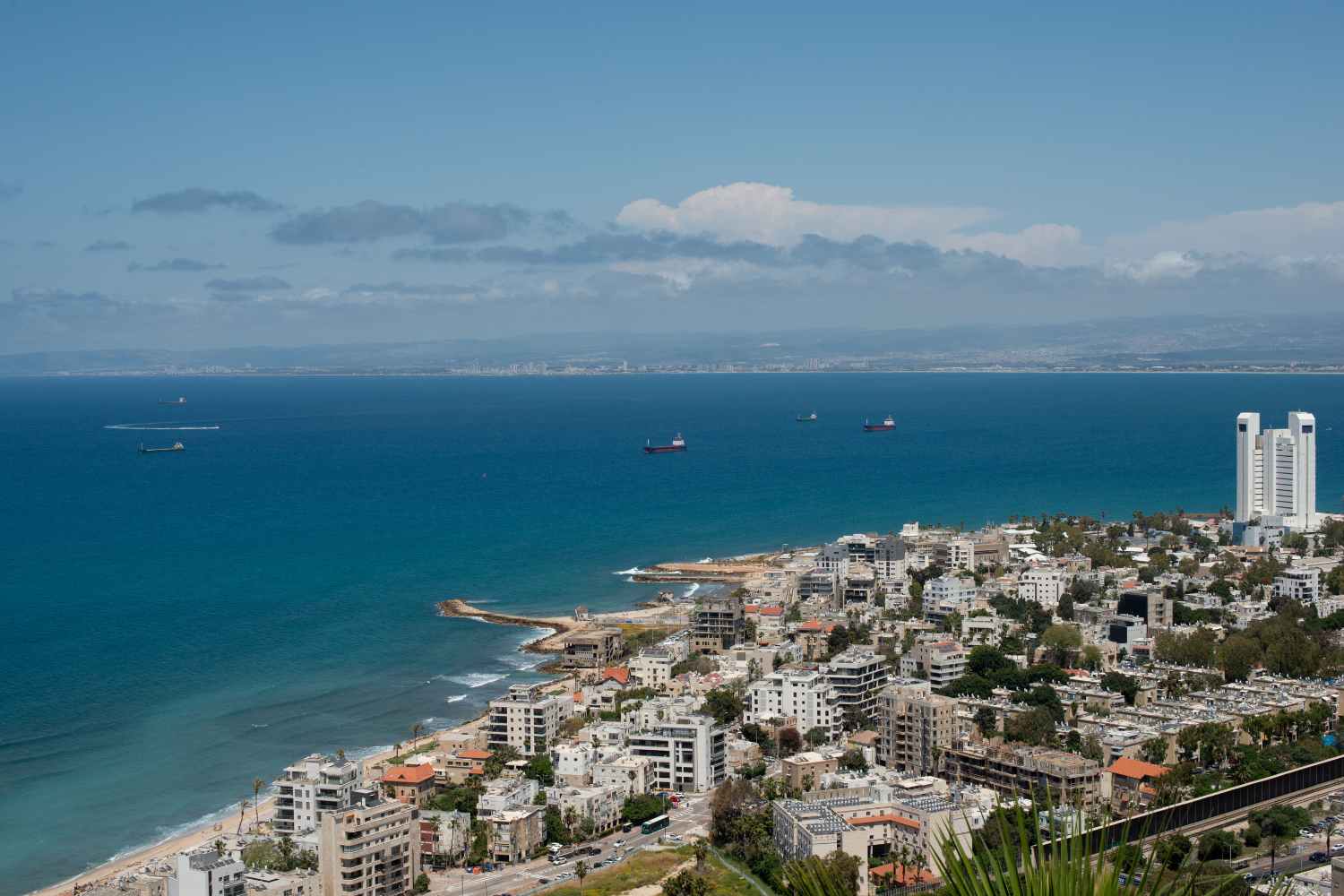
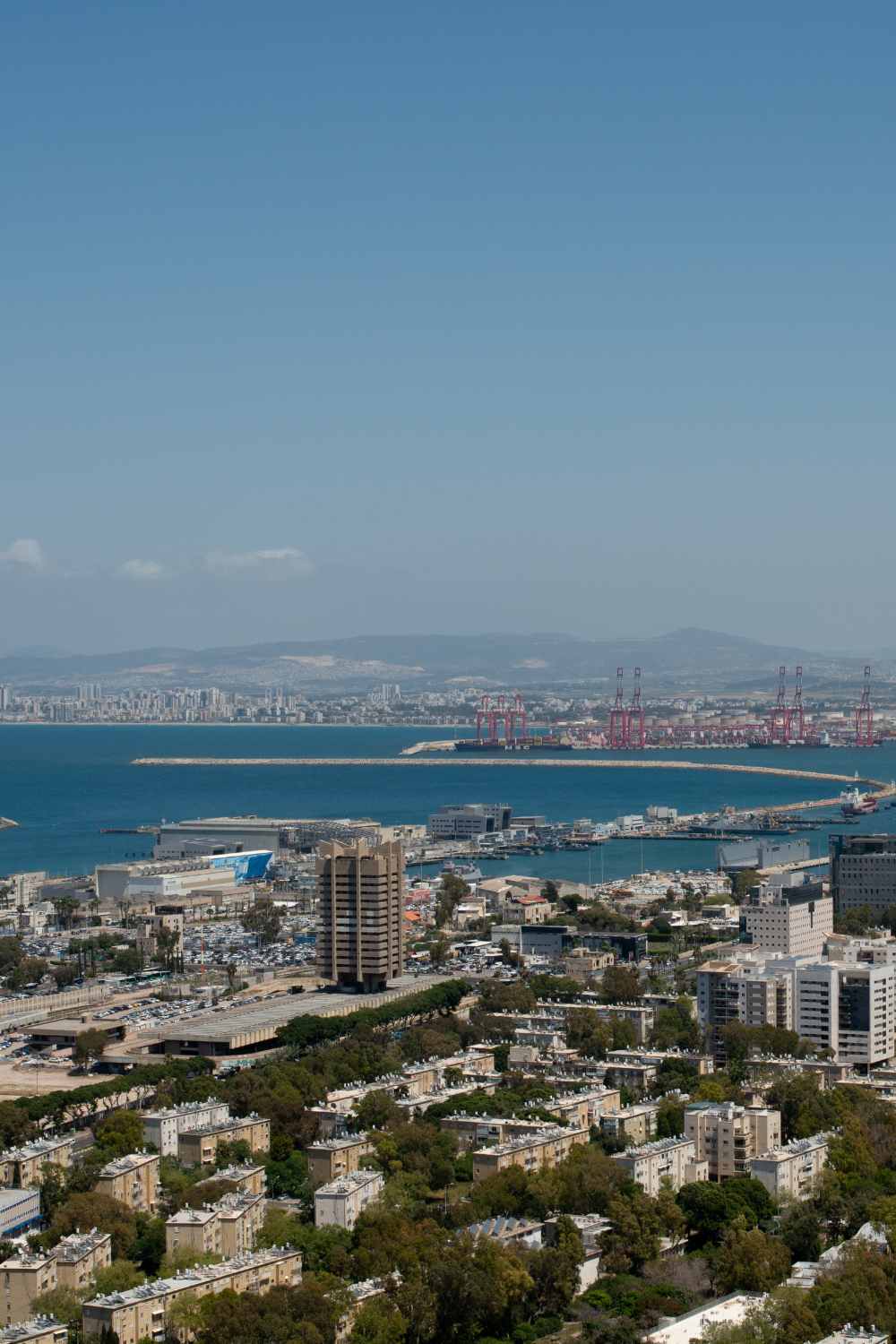
Haifa, Israel’s third-largest city, climbs the slopes of Mount Carmel and stretches along the northern coastline. With about 300,000 residents, it anchors the Haifa metropolitan area. The city hosts Israel’s second-largest commercial port and the Bahá’í World Centre—recognized by UNESCO—making it a hub for trade, culture, and global pilgrimage.
Beyond its modern role, Haifa packs more than 3,000 years of history into its hills and coastline. Over the centuries, Canaanites, Romans, Ottomans, and the British all ruled here—until it finally became part of modern Israel. Today, Haifa shines as a bustling seaport on the Mediterranean, just 90 km north of Tel Aviv and a short hop from the ancient city of Akko, and is the beating heart of northern Israel.
The city is big on brains too, with Haifa University, the Technion, and the famous Reali School shaping generations. It’s also one of Israel’s biggest tech hubs, home to the Matam high-tech park, and the only city in Israel with a subway built into a mountain—the Carmelit.
Haifa Bay drives the economy with industry, refineries, and chemical plants, but the city’s passion spills into sports too. Football fans flock to Sammy Ofer Stadium, home to 30,000 cheering supporters of Maccabi Haifa—one of Israel’s top four clubs.
Haifa’s German Colony
We kicked off our vacation at the Golden Crown Hotel, right at the gateway to Haifa’s German Colony-a 19th-century Templer village full of history, and one of several German Colonies in Israel. From our room, the sea view over the harbor was stunning, and the back view? The breathtaking Bahá’í Gardens.
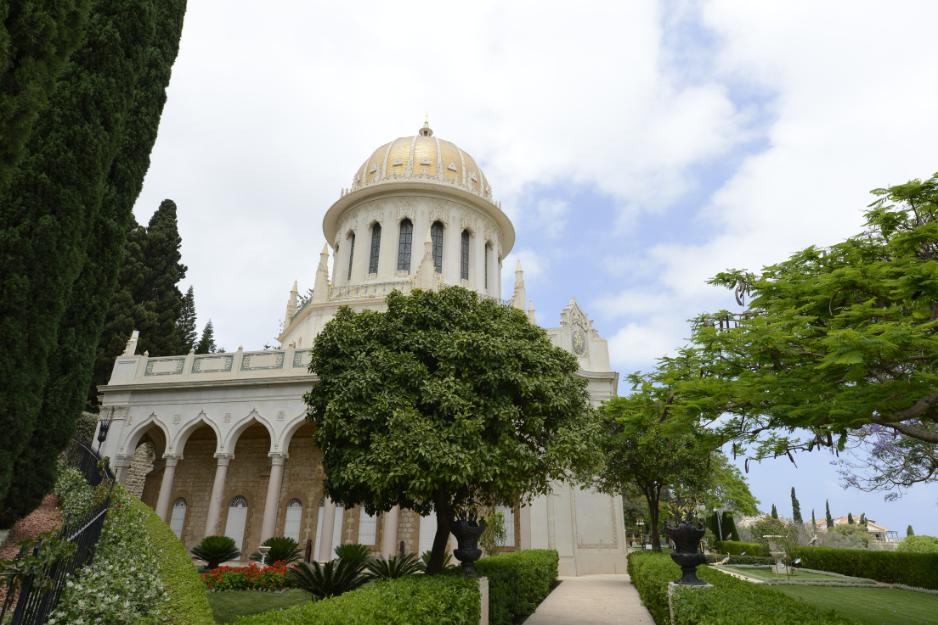
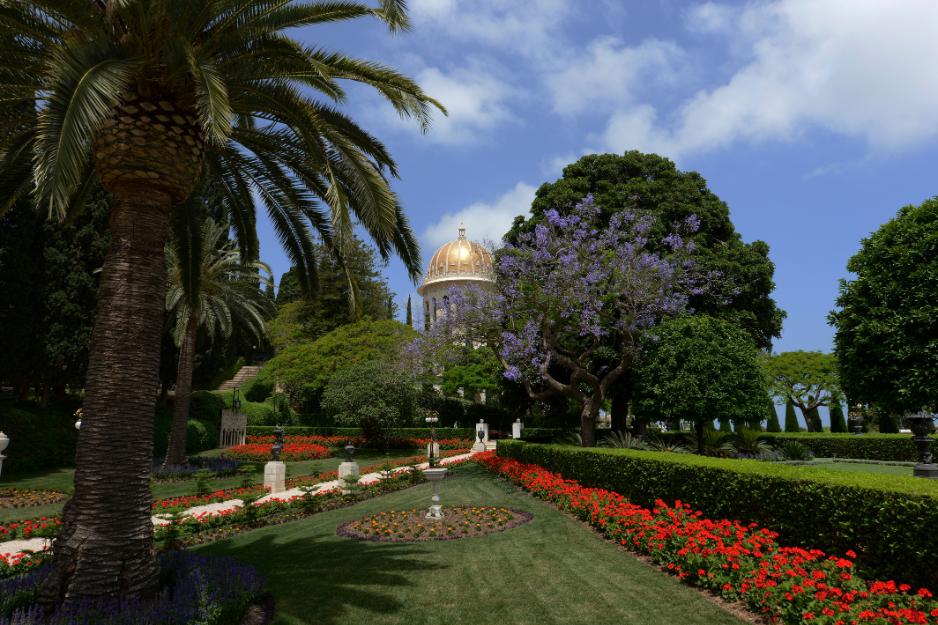
Ben Gurion Avenue, the colony’s main street, bursts with cafés and restaurants buzzing with life from morning till late at night. From the bottom of the street, you look straight up at the 19 terraces stretching a full kilometer, crowned by the Bahai Garden golden-domed shrine at the center.
Haifa’s Bahai’s garden
Entrance to the Bahá’í Gardens is free, but we highly recommend joining a guided tour—registration is easy online at the official Bahá’í website, and it gives you wider access. The 45-minute tour shares insights about the Bahá’í faith, followed by a sweeping panorama of Haifa Bay. If you prefer exploring on your own, you can still walk through three limited sections of the gardens independently between 09:00–17:00. Full access, however, is reserved for Bahá’í believers only.
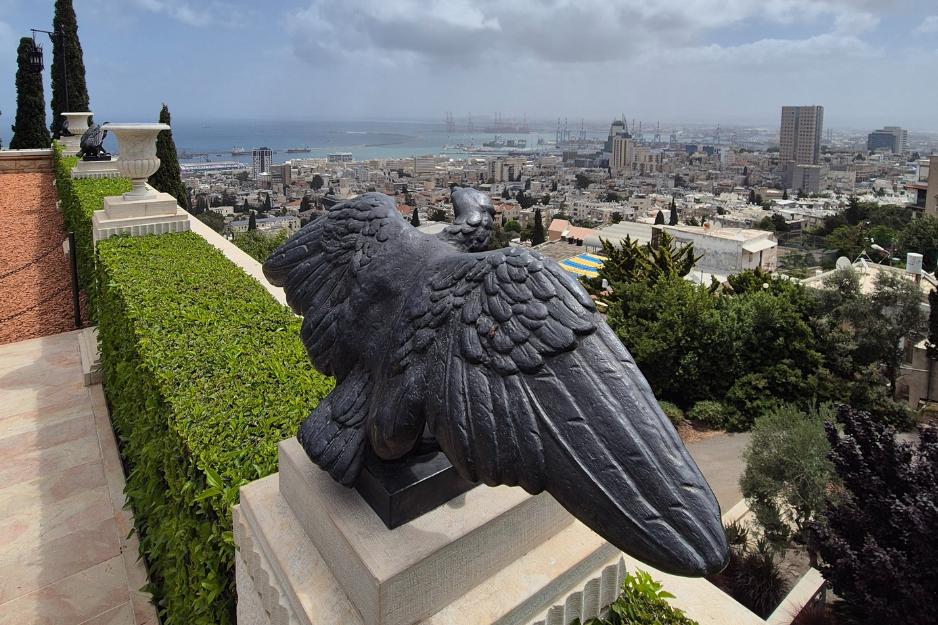
The English tour runs daily at 10:00 (except Mondays). The Shrine of the Báb and the inner gardens are open to the public only from 09:00–12:00. Since the gardens are built on the slopes of Mount Carmel, it’s best to start from the top entrance at Louis Promenade—where you’ll enjoy one of the most spectacular views in all of Israel—and walk downhill.
Louis Promenade itself is a must—come during the day for the view, and at night for the magical city lights.
When you finish—whether at the top or bottom—just grab a bus (115, 136, 30, 31, or 23) for only 8 shekels and ride back to your starting point.
Complementing Haifa’s Bahai Gardens, the Shrine of Baháʼu’lláh—better known as Akko’s Bahai Gardens—stands as the holiest site for Bahá’í faith. As of January 2026, visitors can explore the Akko Bahá’í Gardens Monday through Thursday from 09:00 to 16:00. Access to the Shrine of Bahá’u’lláh is available only between 09:00 and 12:00. Modest clothing is required.
Haifa’s Masada street
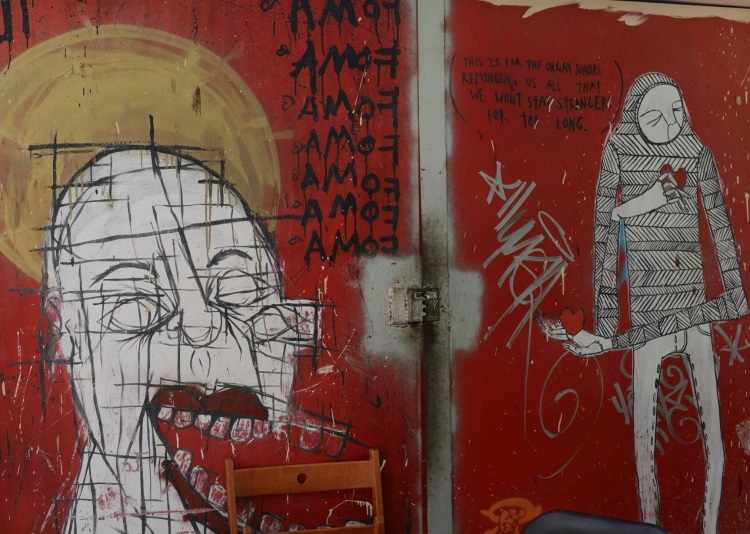
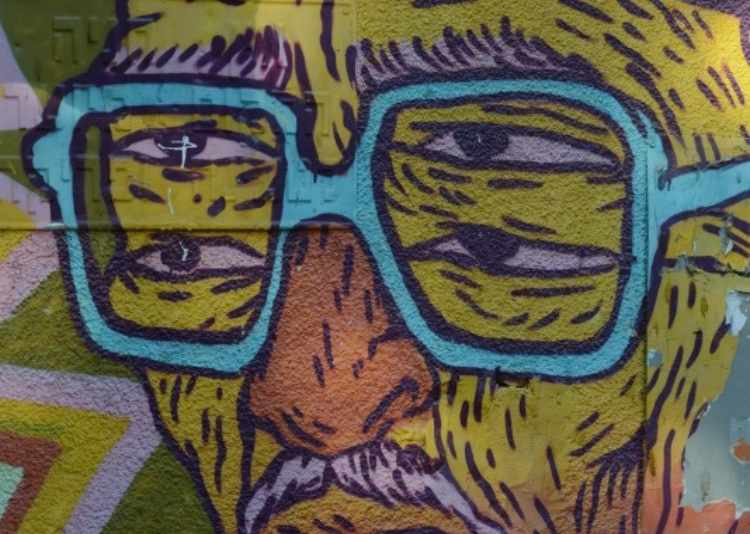
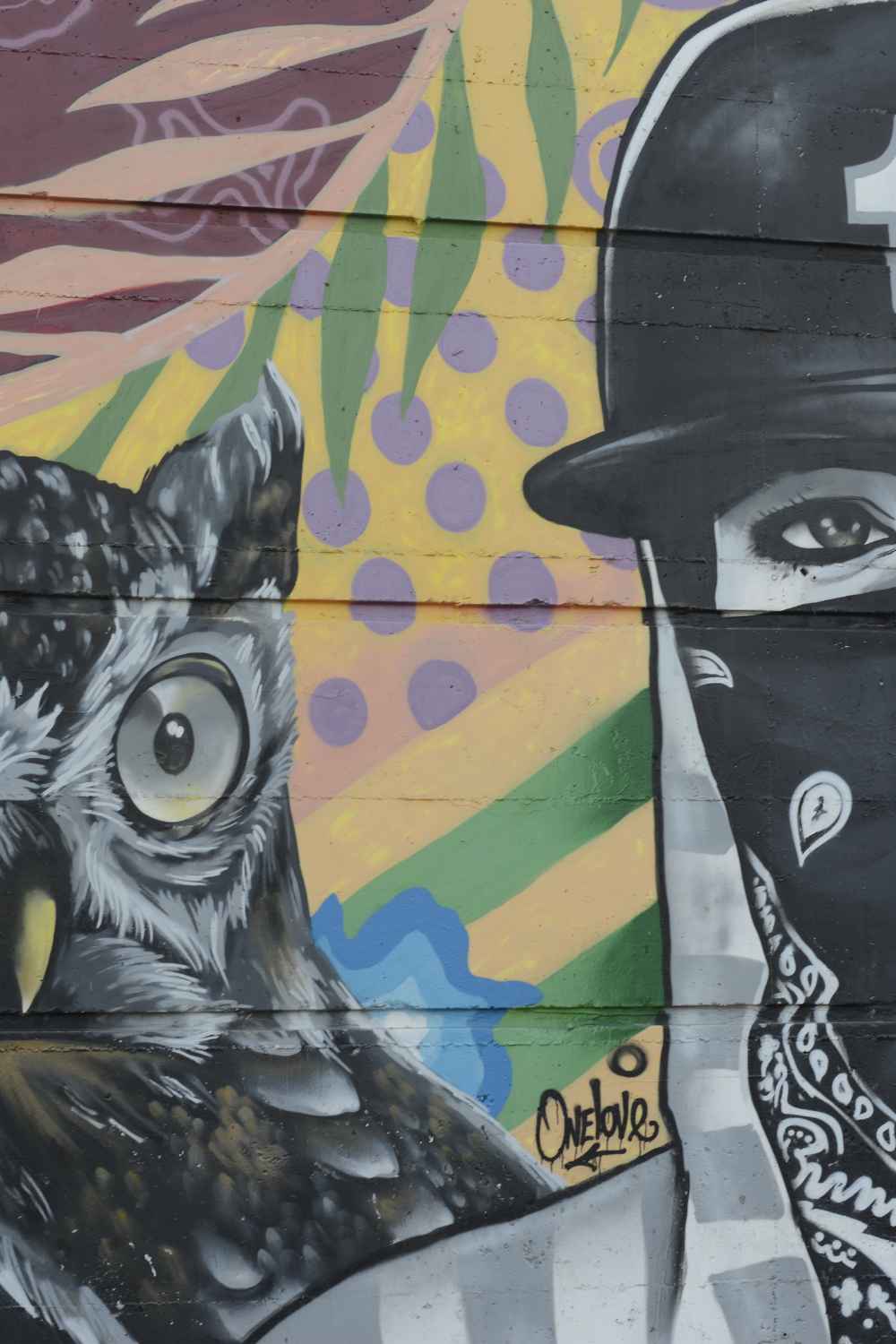
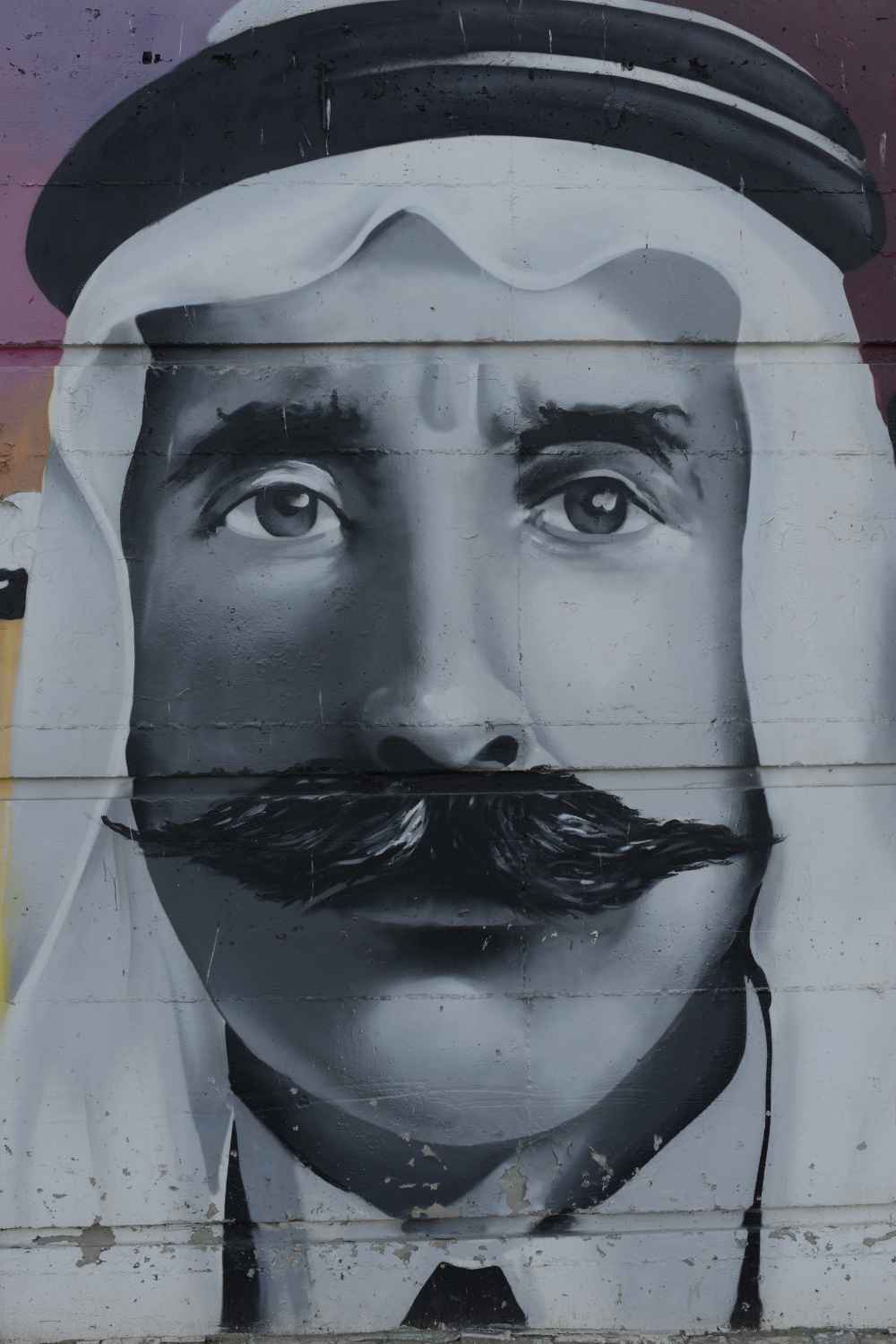
Masada Street is often called the hipster corner of Haifa. It’s small and not as buzzing as you might expect, but still worth a stroll for its quirky cafés, colorful graffiti, and artsy vibe. Just skip Saturdays—most places are closed.
Haifa’s “Holiday of Holidays” festival
Haifa itself is all about coexistence. Jews and Arabs live side by side, creating a unique multicultural atmosphere. Every December (6th–30th), Haifa’s German Colony hosts the “Holiday of Holidays” festival, celebrating Hanukkah, Christmas, and Ramadan together in one joyful event.
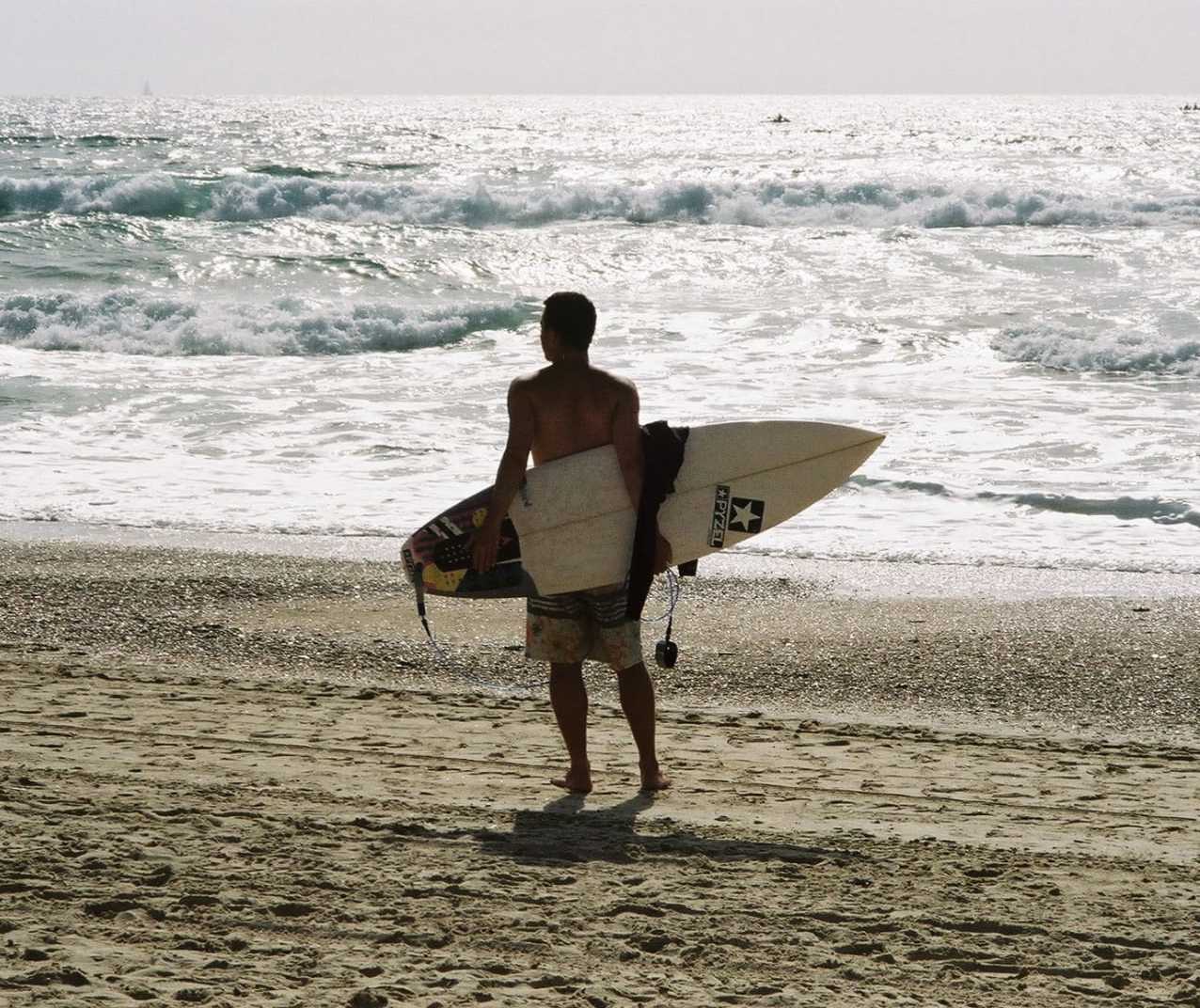
The locals are famously warm and down-to-earth, food prices are friendlier than in other Israeli cities, and in summer, Haifa’s golden beaches are the perfect place to chill.
Stella Maris: The Monestry & Elijah cave
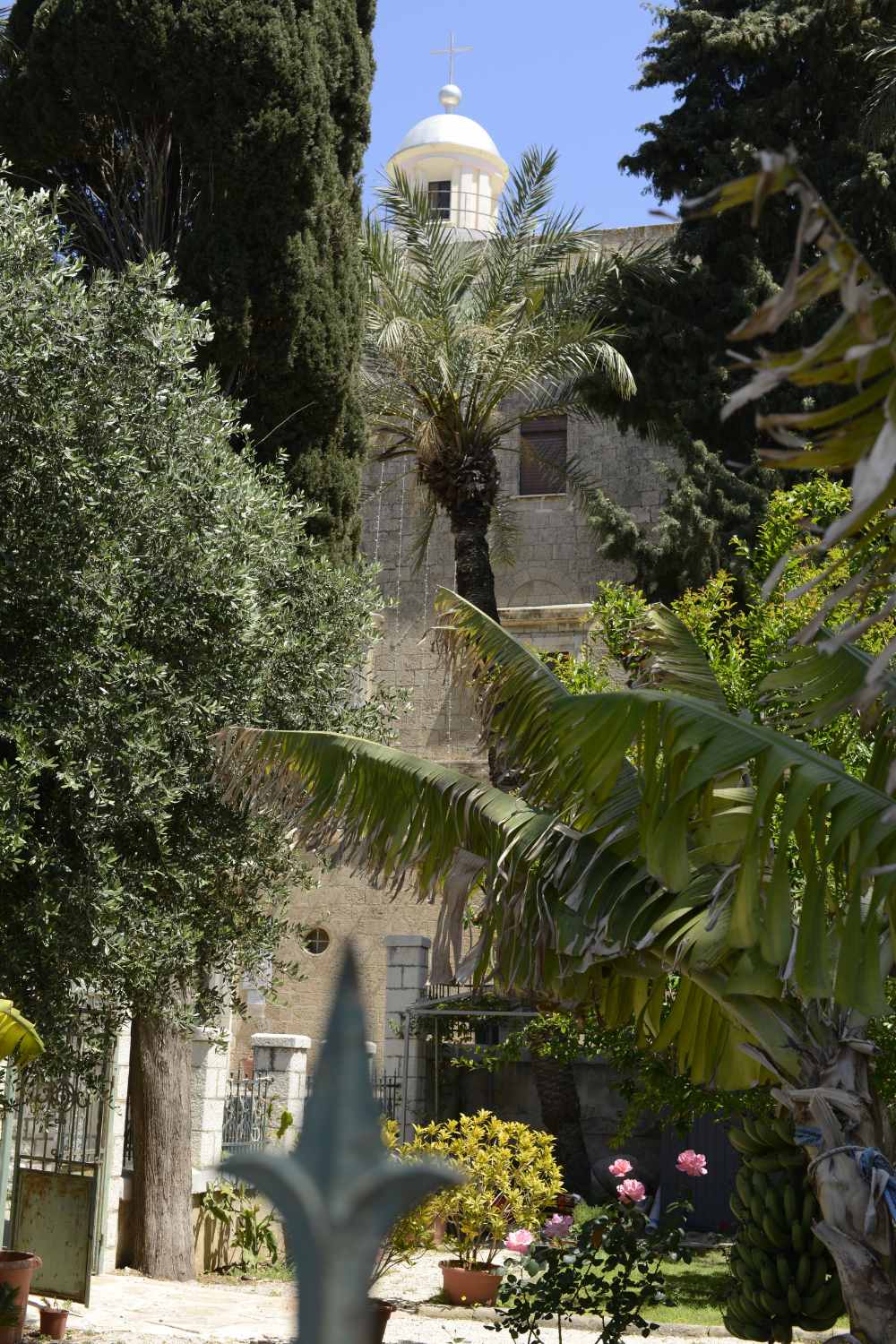
Perched on one of the peaks of the “French Carmel,” Stella Maris Monastery is home to a Carmelite monastery and chapel overlooking the Mediterranean Sea.
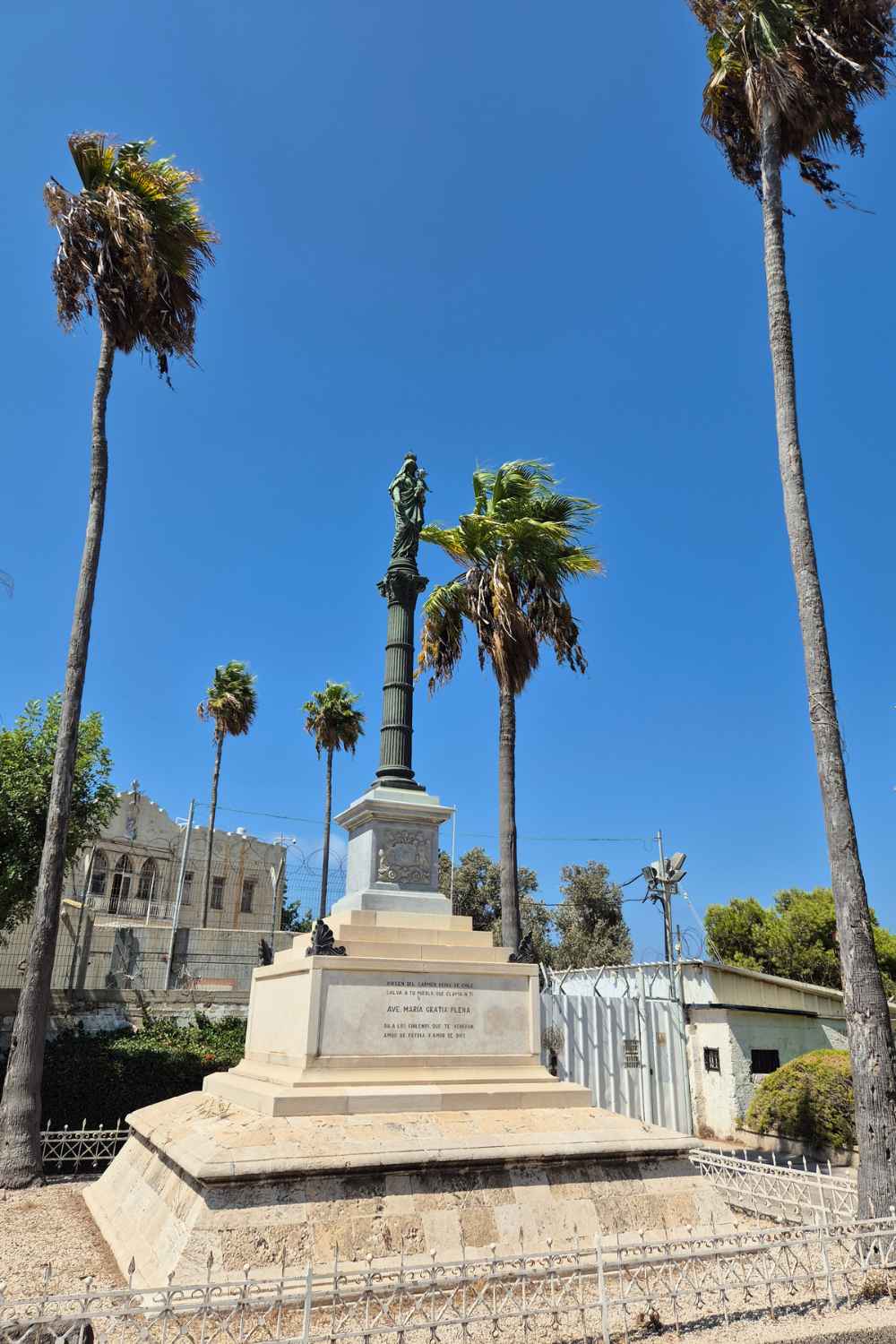
The name “Stella Maris” (“Star of the Sea”) was given in the 1920s by the Spanish consul during the construction of the nearby lighthouse, and was later adopted by the Carmelite Order. In Catholic tradition, Stella Maris is also a title of the Virgin Mary, regarded as the protector of sailors and seafarers.
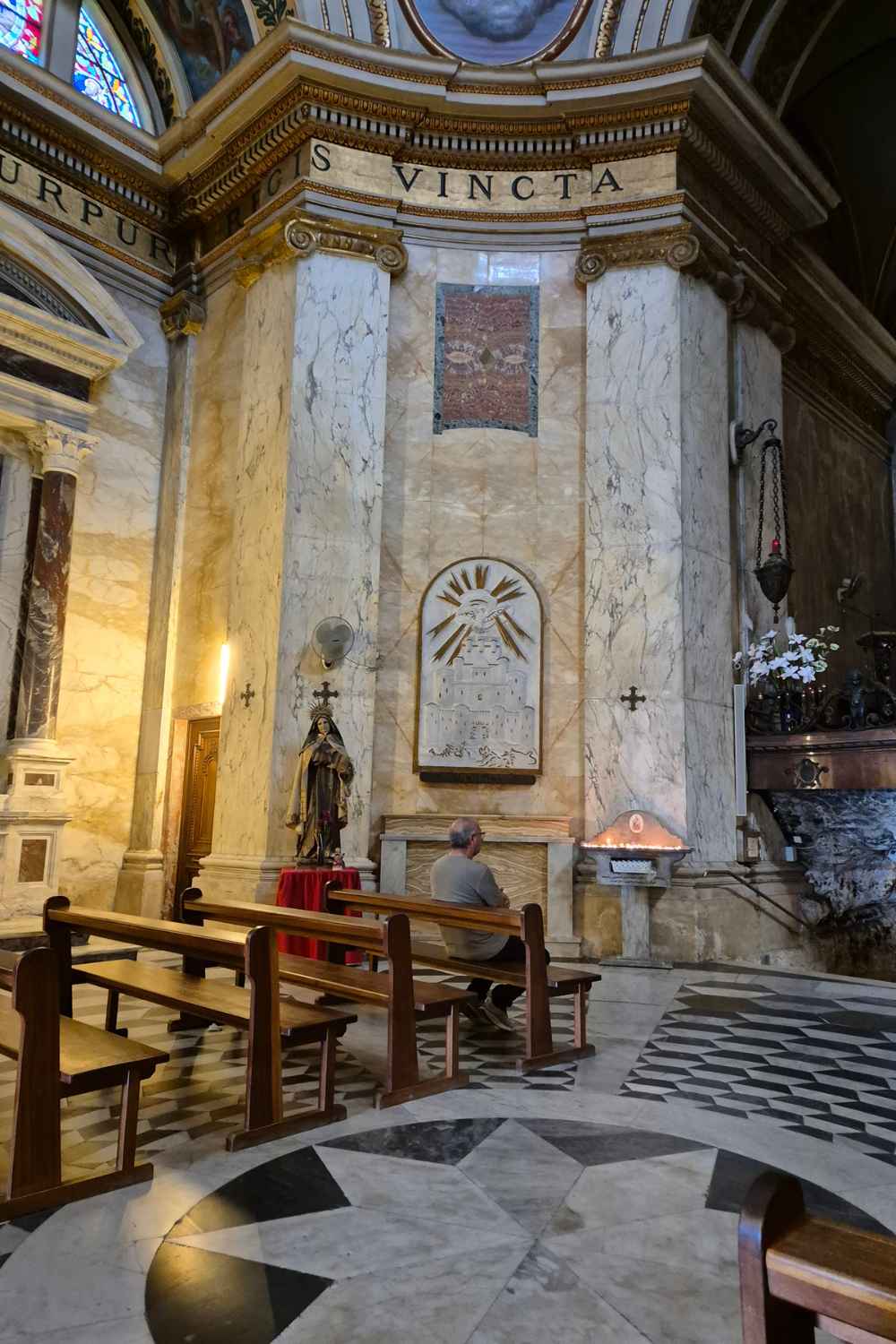
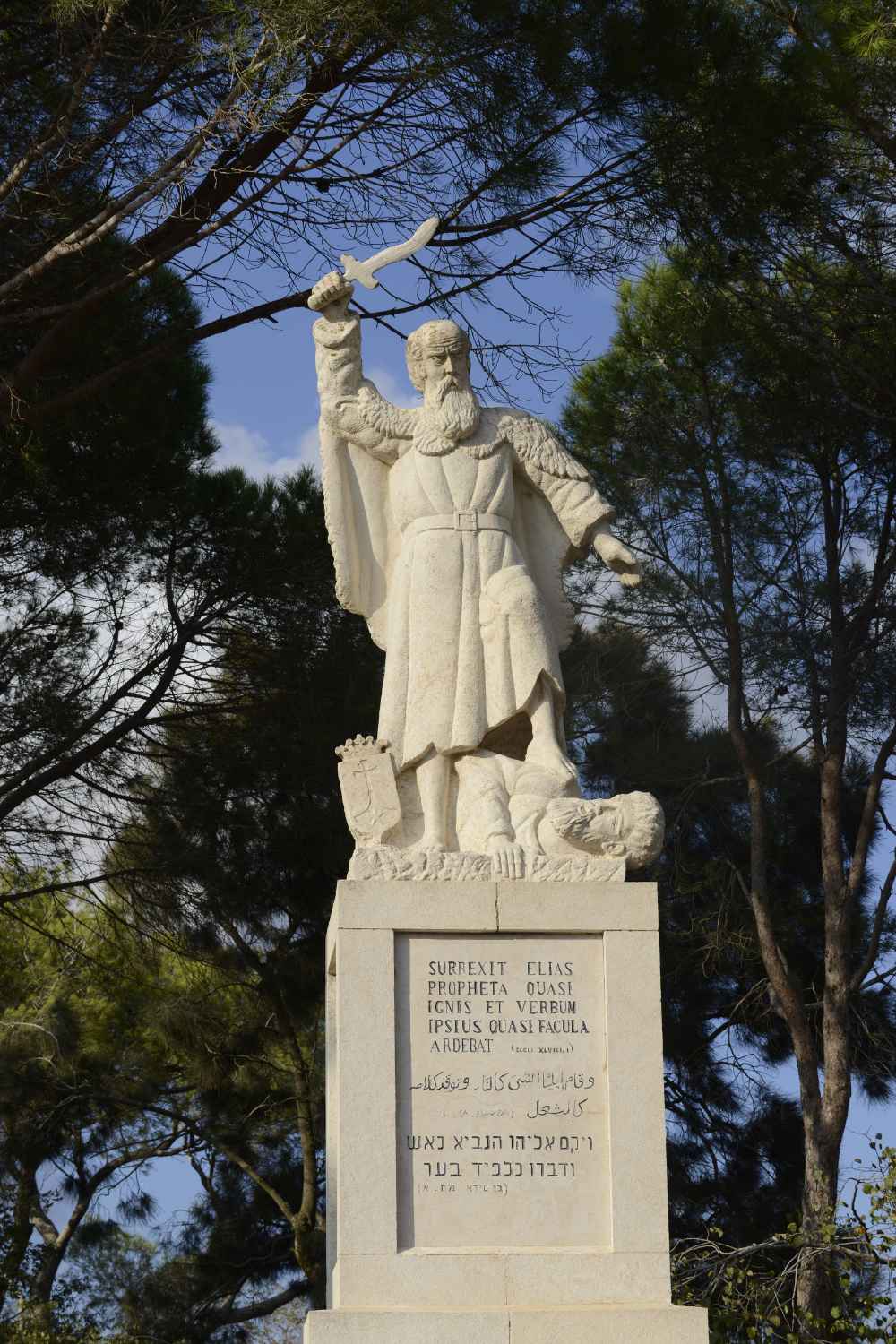
The Carmelites deeply revere the prophet Elijah, seeing him as the ultimate defender of faith in the one true God. According to Carmelite Christian tradition, Elijah hid here on the mountain before his dramatic fire showdown against the prophets of Baal at Muhraka Monastery. Some traditions even place his hidden chamber inside the chapel itself.
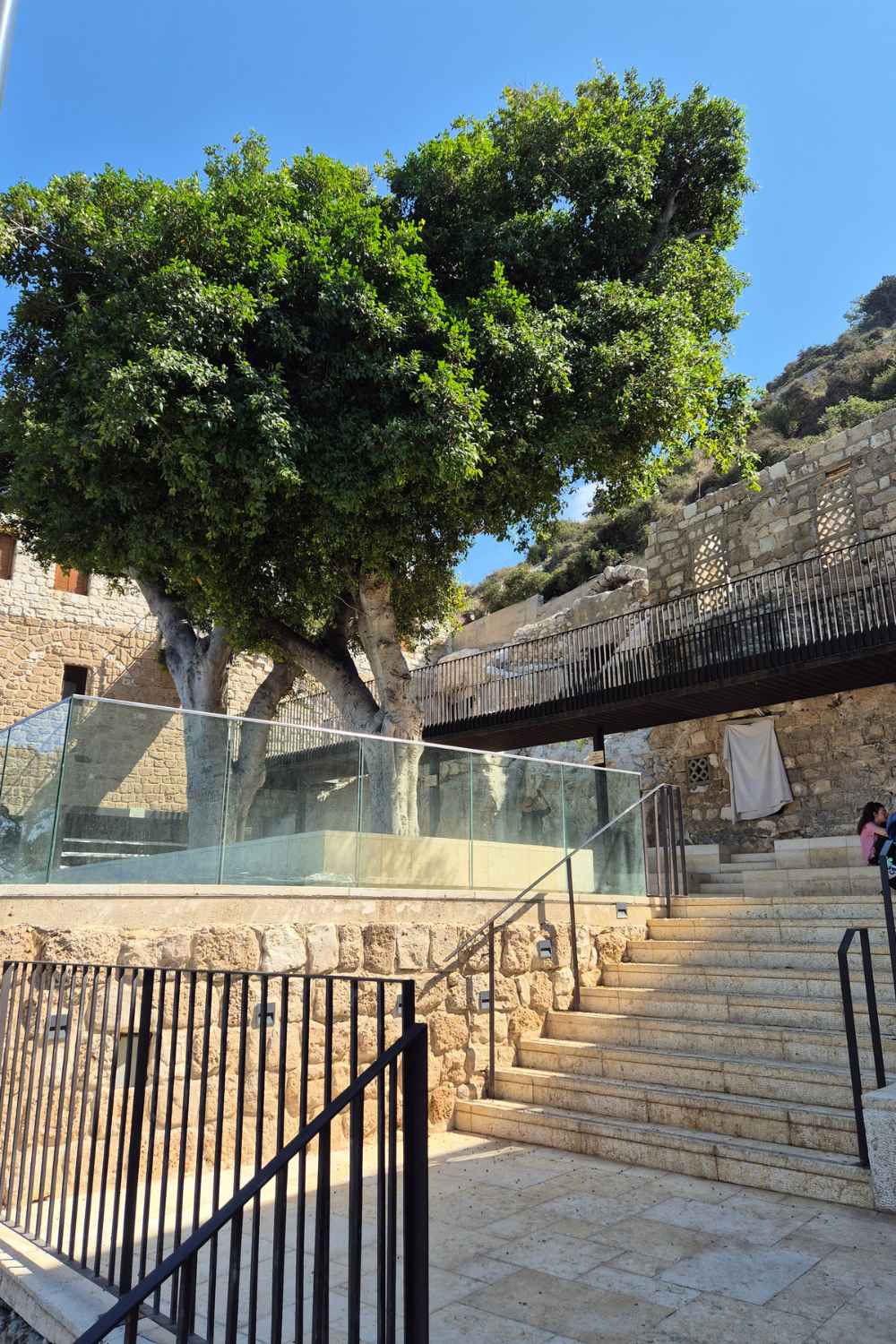
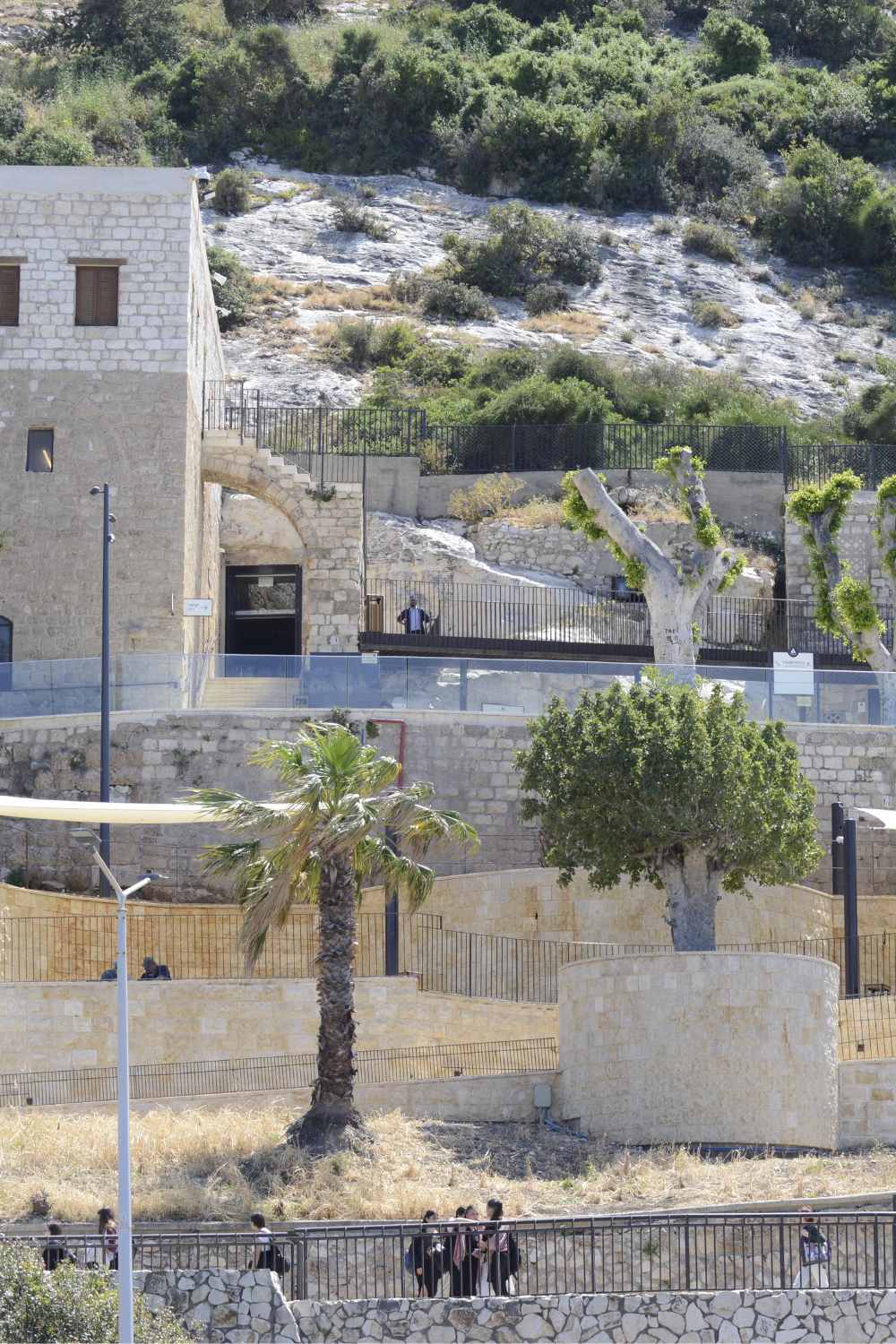
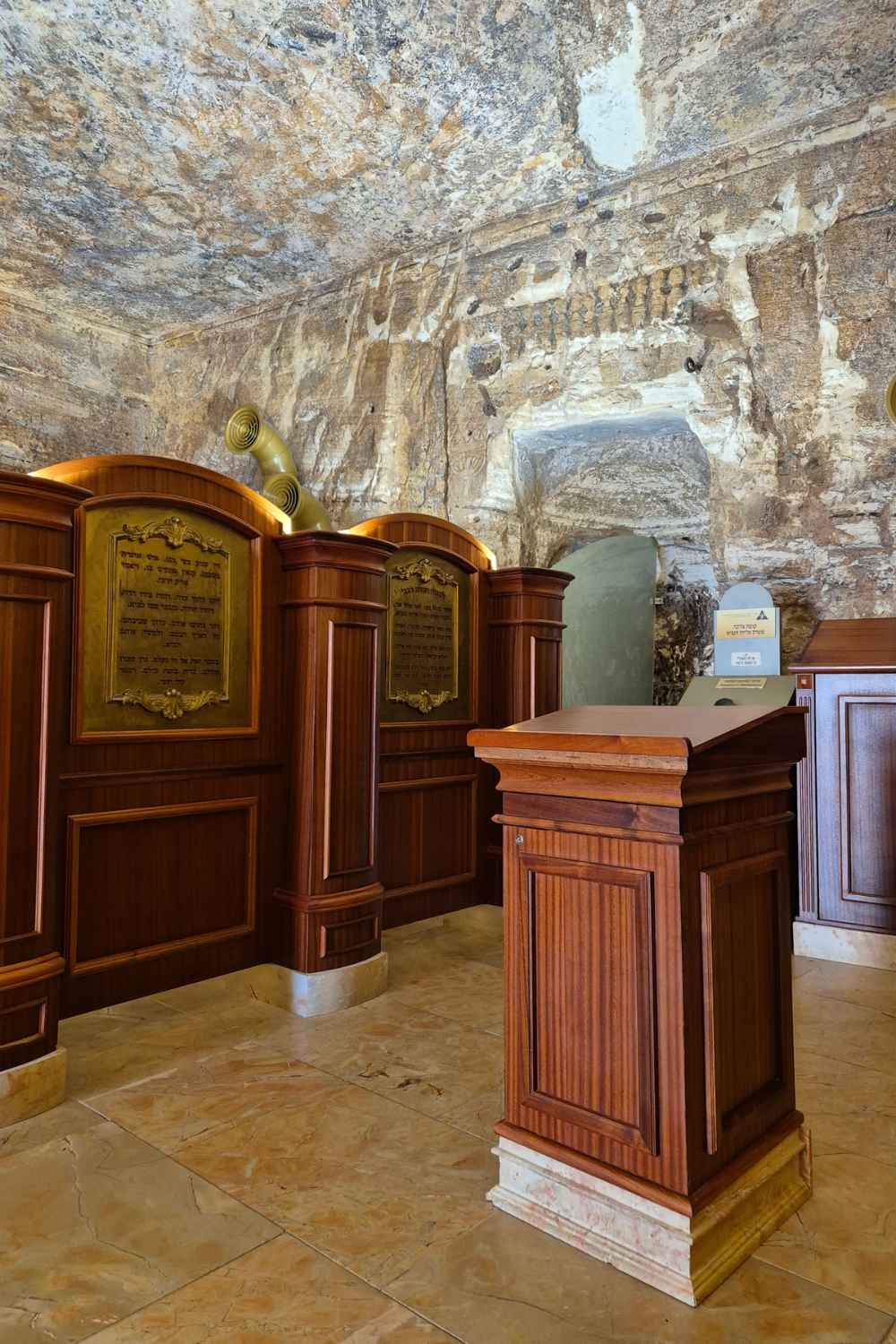
According to Jewish tradition, however, Elijah’s Cave is located lower down the mountain slopes. The cave, revered in Judaism as the true hiding place of Elijah, recently reopened after a major renovation and remains one of Haifa’s most important religious landmarks.
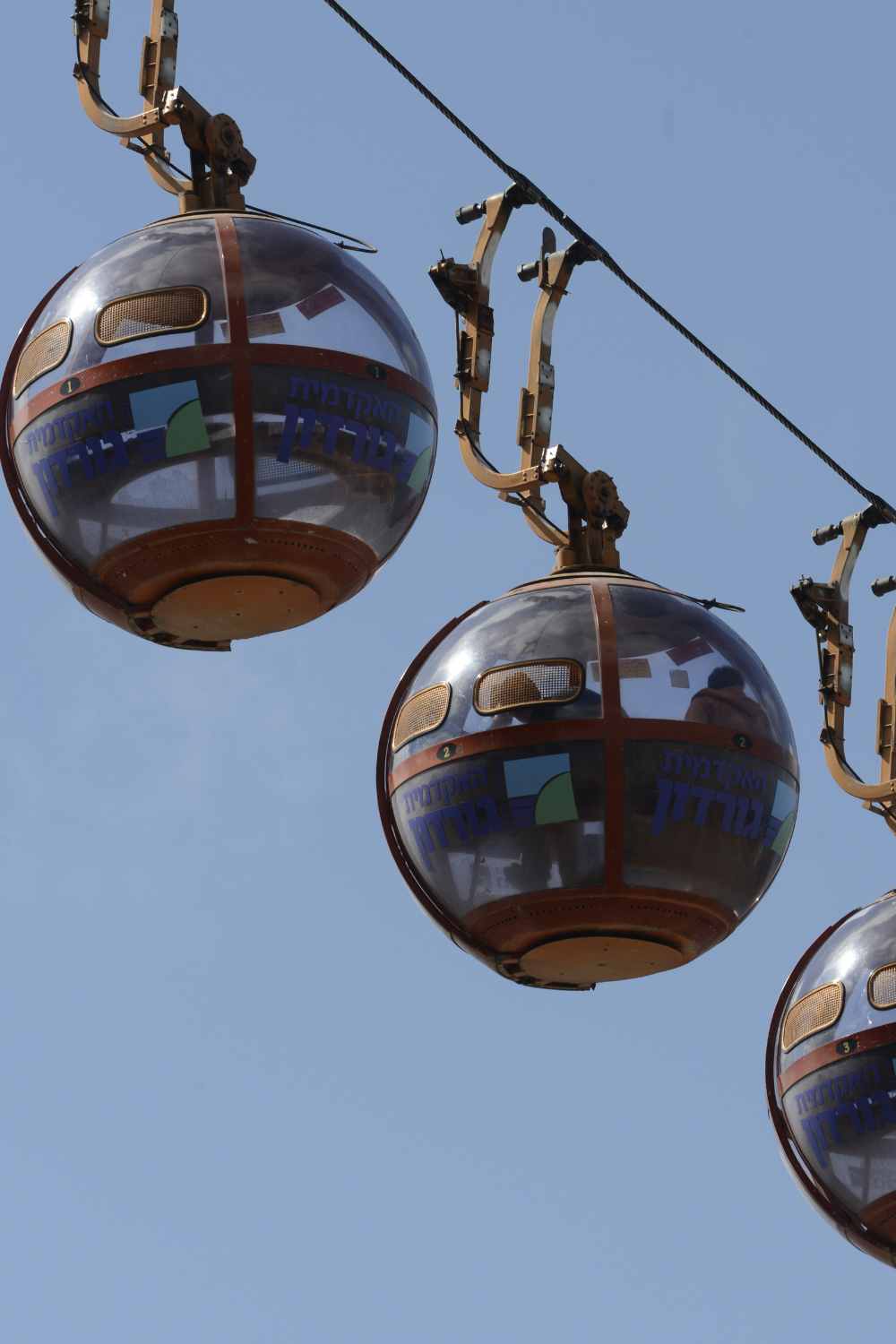
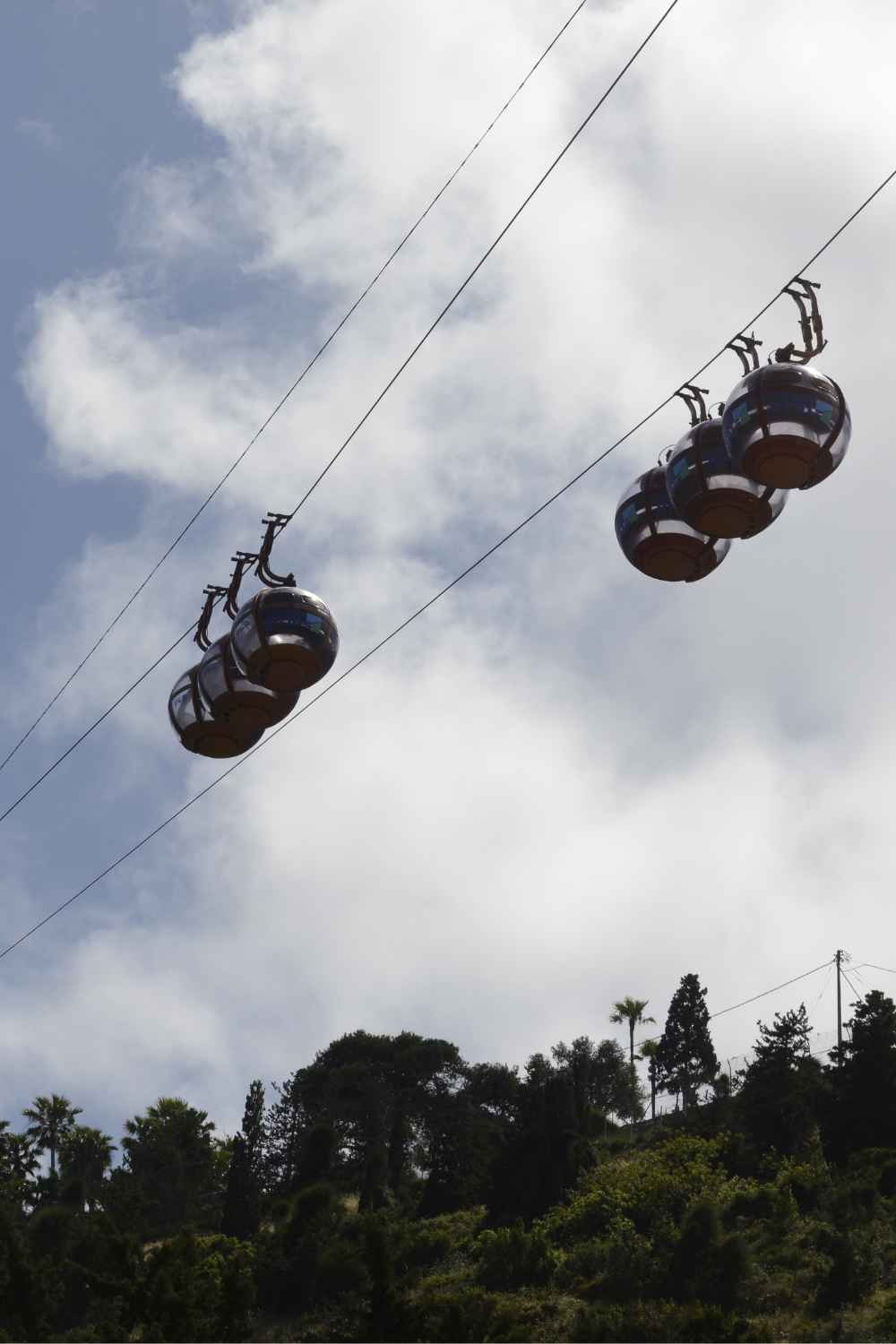
Getting to the lower mountain slopes is part of the experience: you can take a steep 15-minute downhill walk, or ride the scenic cable car down to Bat Galim Beach, enjoying spectacular views across the bay along the way.
IDF Naval Museum at Bat Galim
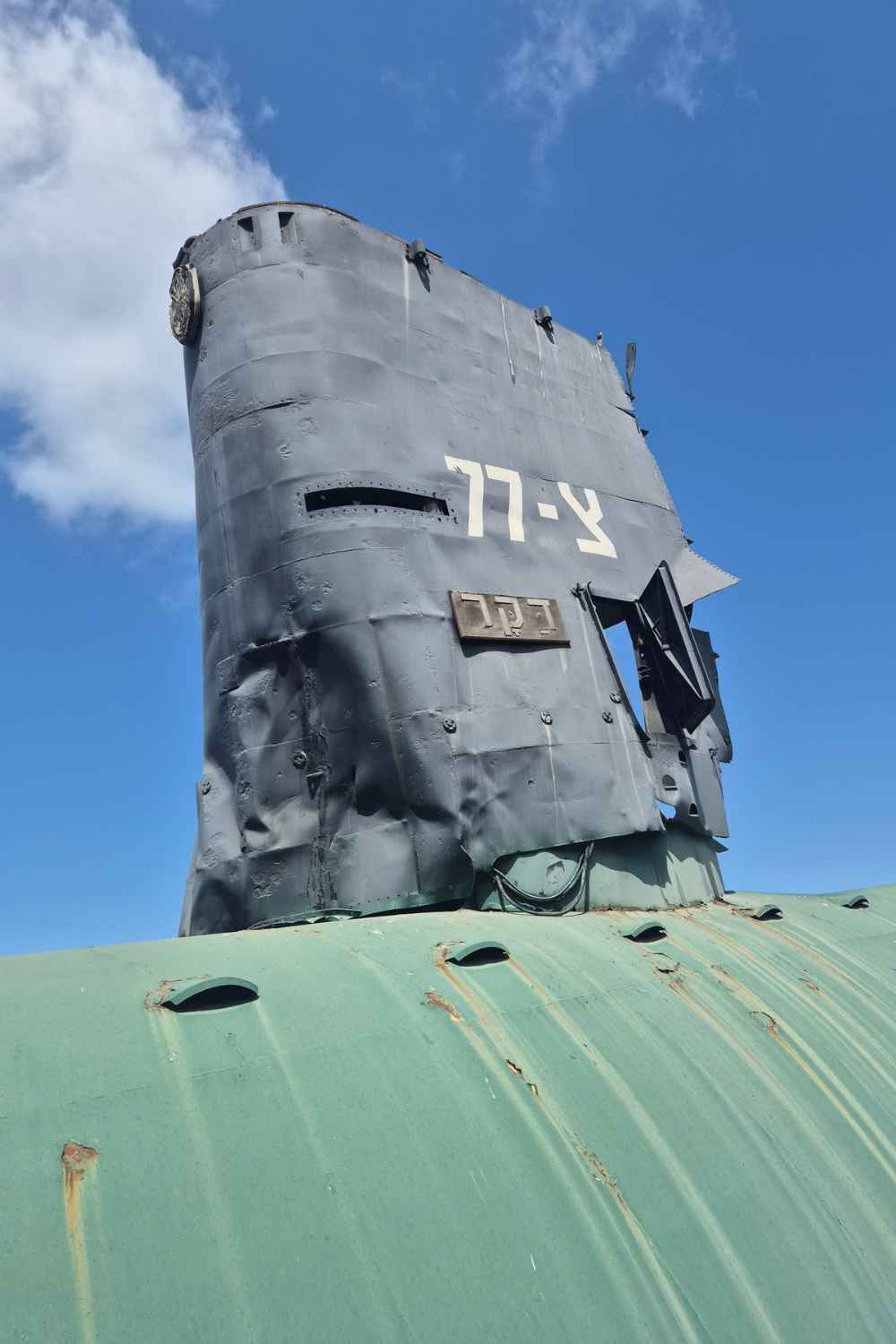
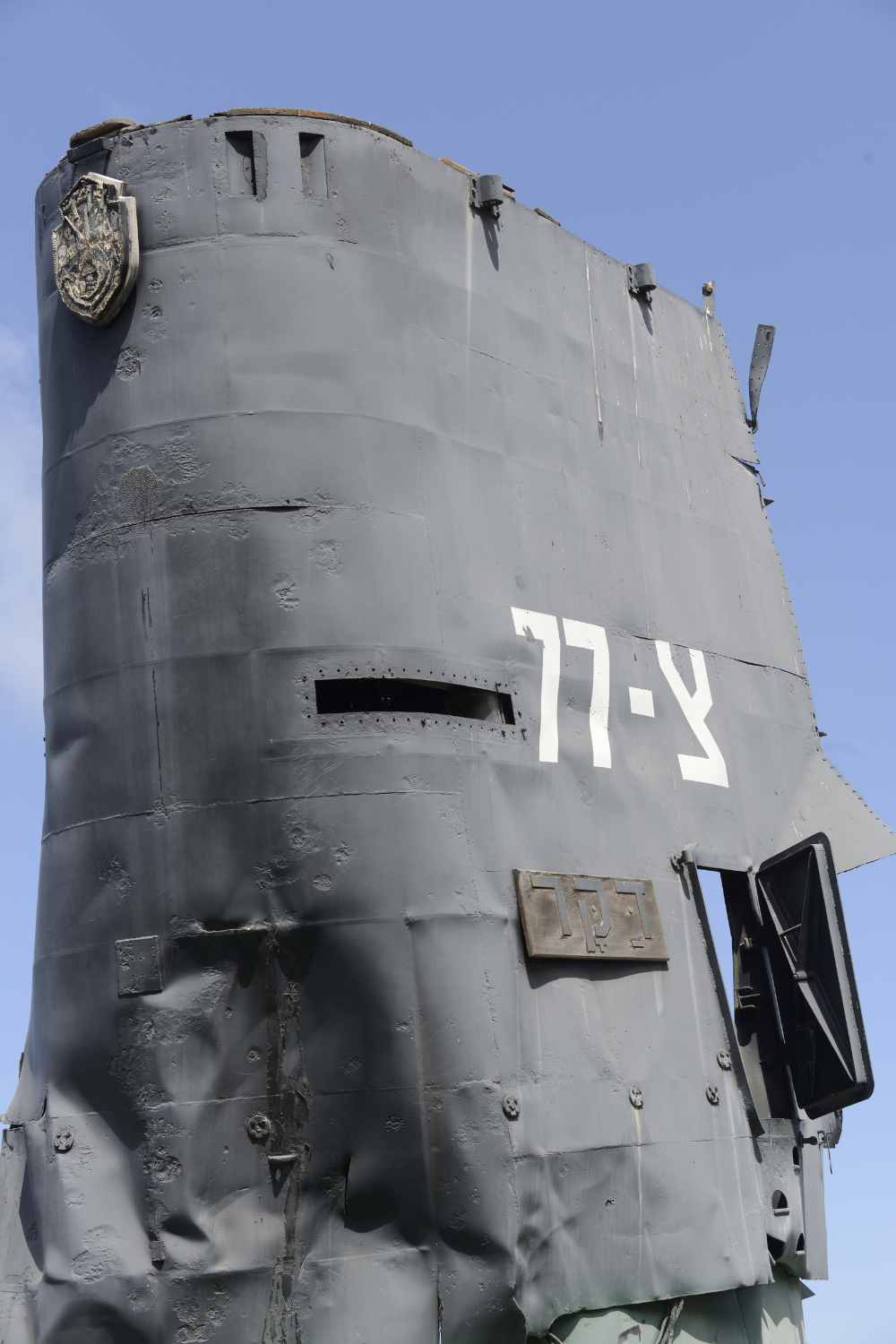
Right by the beach, the Israeli (IDF) Naval Museum is a hidden gem—think real submarines, missile boats, and plenty to explore. Honestly, it’s hard not to feel like a kid again walking through and inside these massive vessels.
Entry is about €5 per adult—definitely worth it. Set aside at least three great hours to explore and remarkable the experience.
“Ein-Hod” artists Village
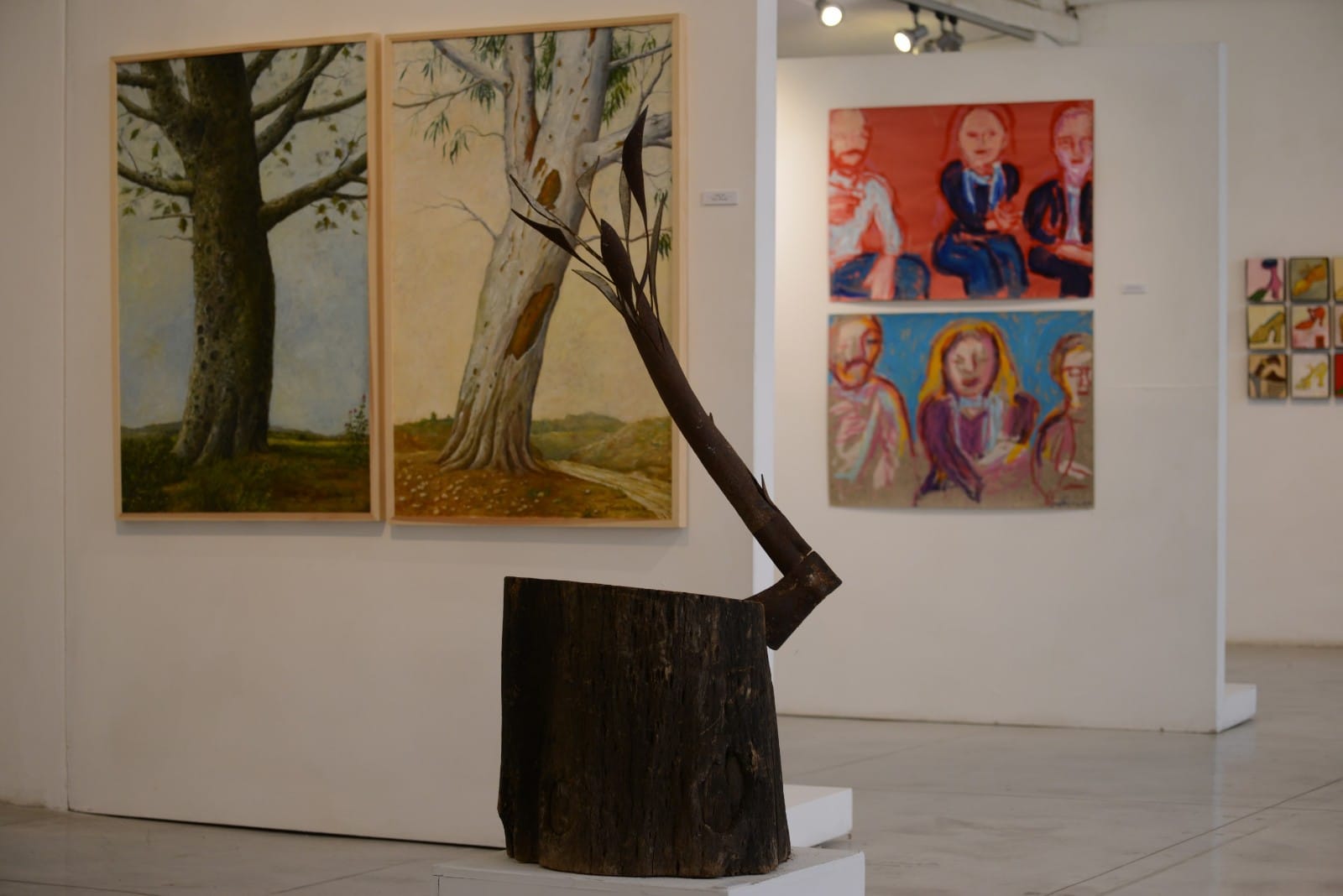
On our way back south toward Tel Aviv, we made a stop at Ein Hod, Israel’s only artists’ village. Nestled on a hill off the old Tel Aviv–Haifa highway, it overlooks the Mediterranean and the ancient Atlit fortress—what a view!
Founded in 1953 by Marcel Janco, one of the pioneers of the Dada art movement, Ein Hod still carries the avant-garde spirit. The Janco-Dada Museum showcases his legacy, with a permanent exhibition of his work and plenty of inspiration for today’s artists.
The village itself is a living gallery. Painters, sculptors, musicians, writers, and theater creators all call it home, surrounded by lush greenery and charming stone houses. Strolling between the friendly home galleries is a real treat, but since the streets climb up and down the hill, comfy shoes are a must.
We wrapped up our visit at Dona Rosa, a bohemian-style Argentinian restaurant that serves meat dishes—a perfect ending to a creative day for for carnivores.
The Muhraka – AKA Mount Carmel’s Horn
Mount Carmel’s Horn—better known as the Muhraka—is a standout peak in the southeastern Carmel range, rising 474 meters above sea level. It’s about three kilometers southeast of the Druze town of Daliyat al-Karmel and roughly seven kilometers east of Ein Hod.
According to tradition, this is the very spot where the prophet Elijah confronted the prophets of Baal during the reign of Ahab, King of Israel. After three years of drought—prophesied by Elijah to have come as punishment for Israel’s turn toward foreign worship—Elijah challenged the prophets of Baal to a dramatic showdown. Fire descended from heaven onto Elijah’s offering, while the prophets of Baal failed to receive any sign from their god. The event ended with Elijah’s victory and the execution of the prophets of Baal before the gathered crowd of Israel.
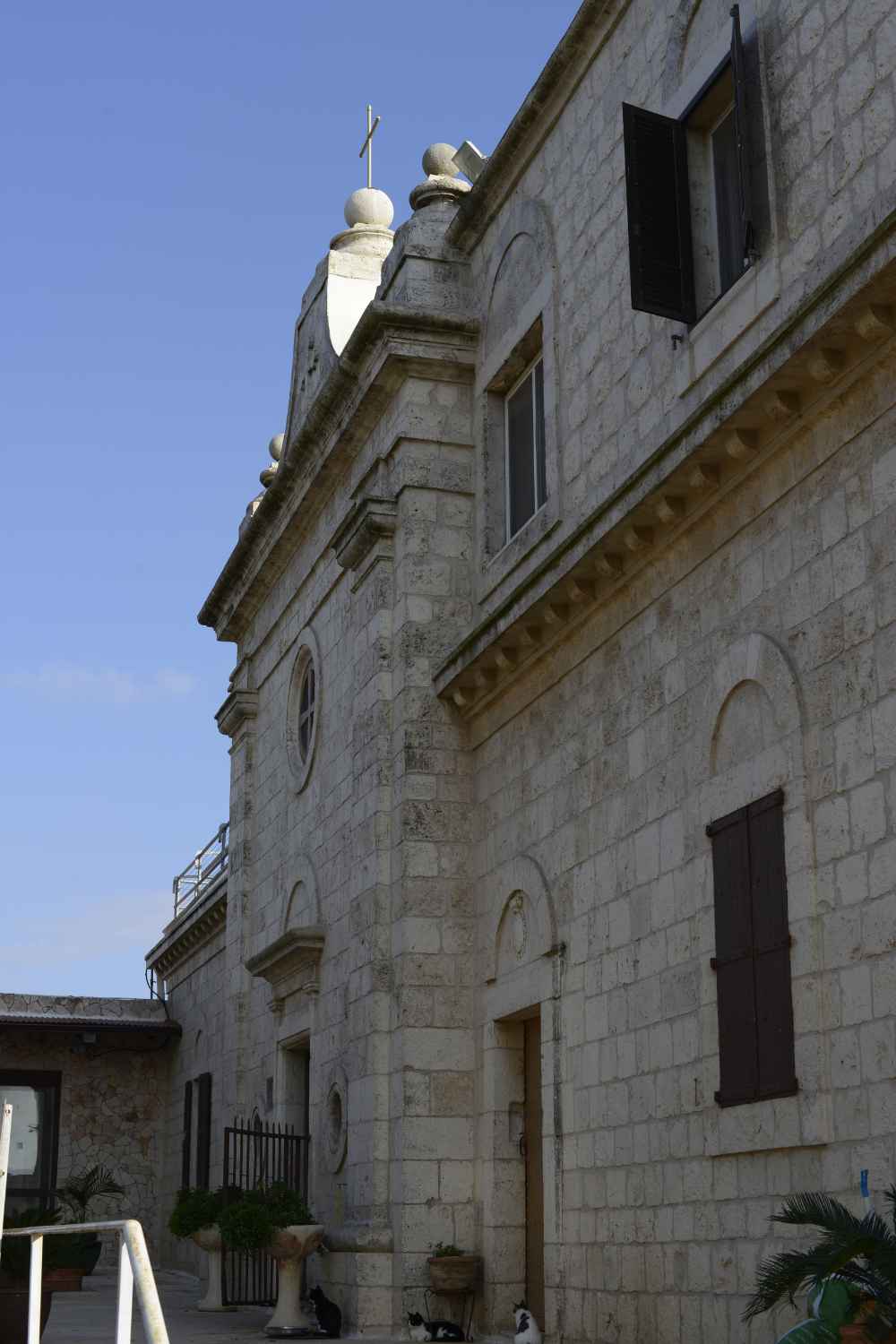
Following this event, a monastery was built here in 1867 by Carmelite monks from Europe. They saw Elijah as the ultimate symbol of devotion, passion, and total commitment to God—qualities reflected in his stand against the prophets of Baal.
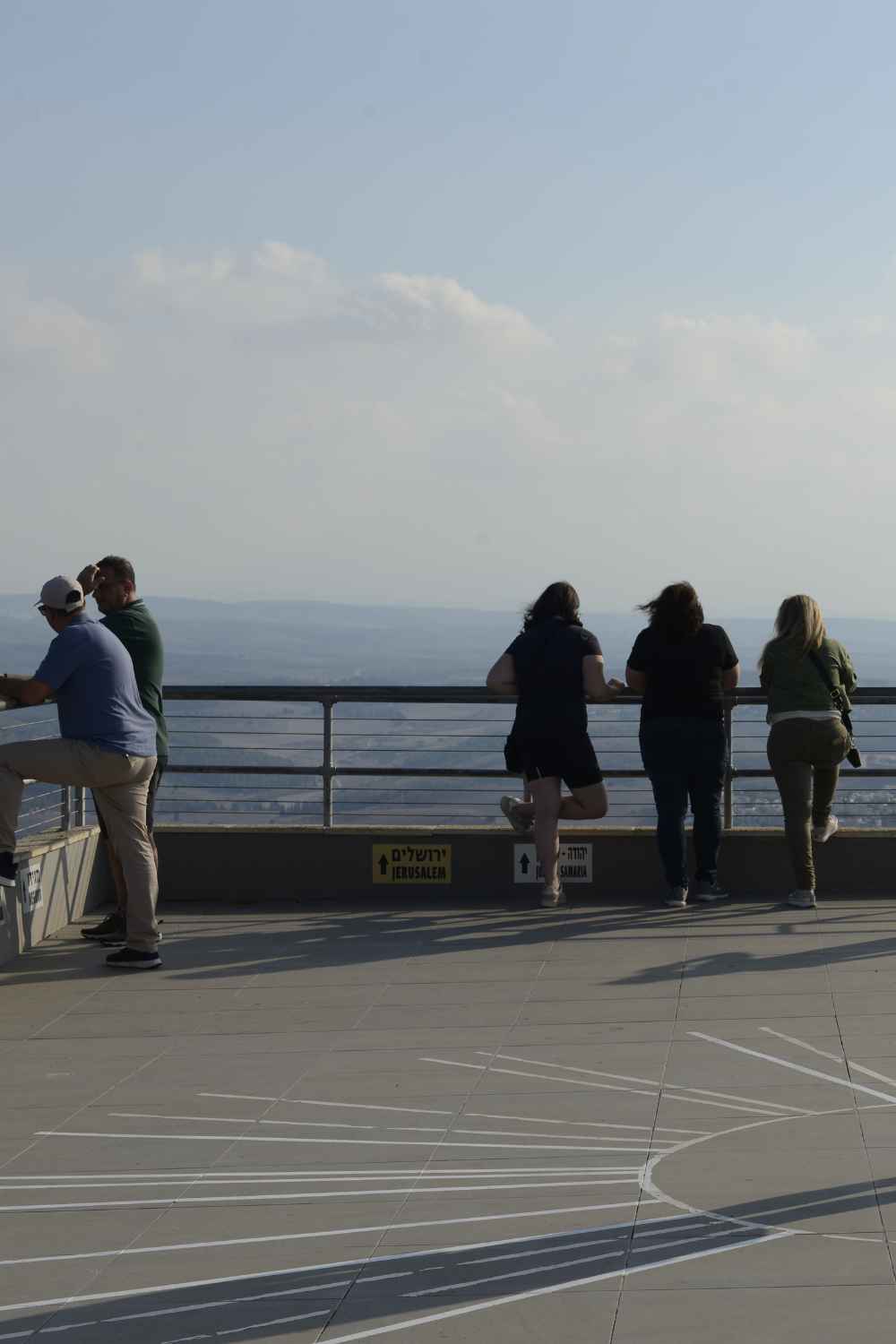
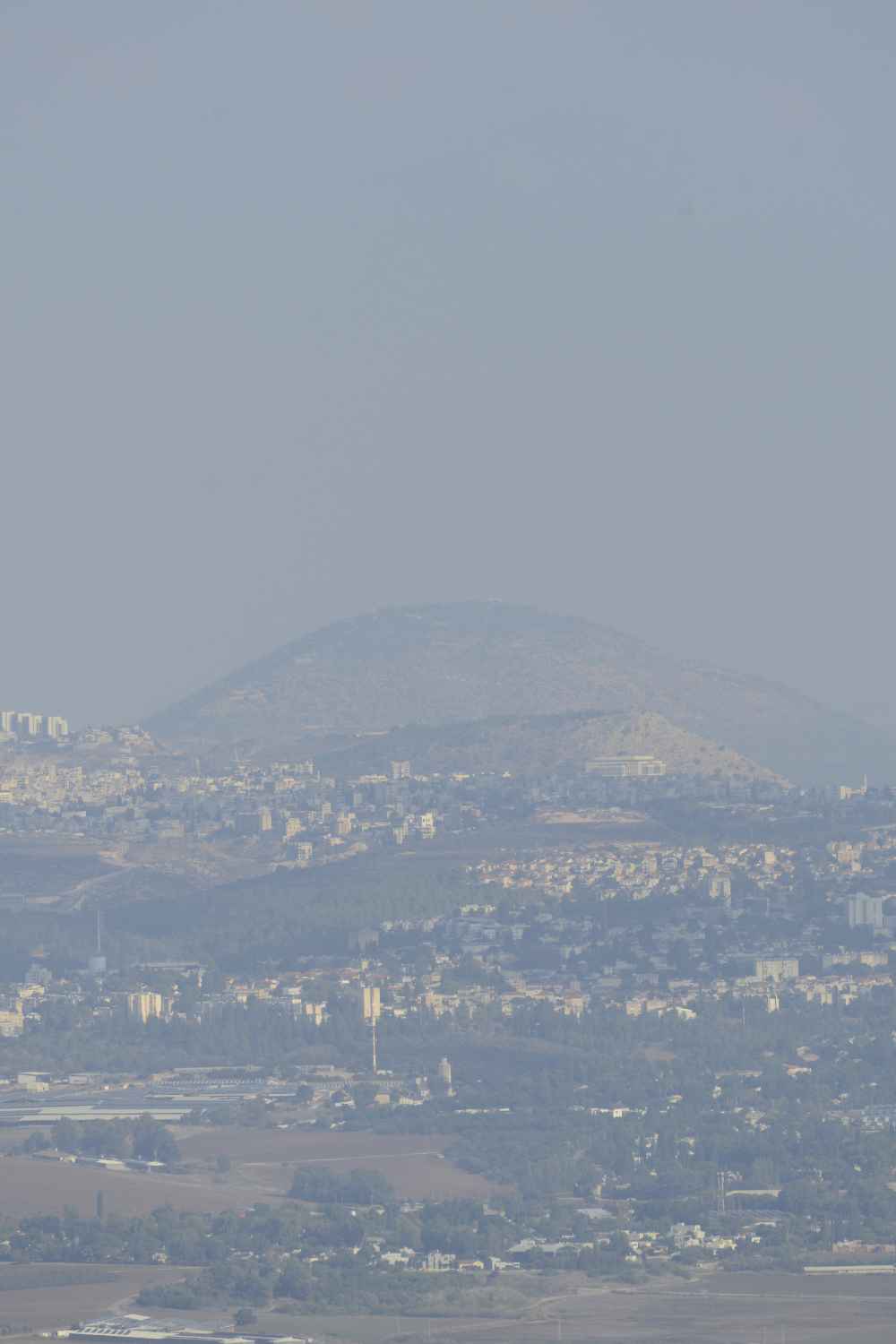
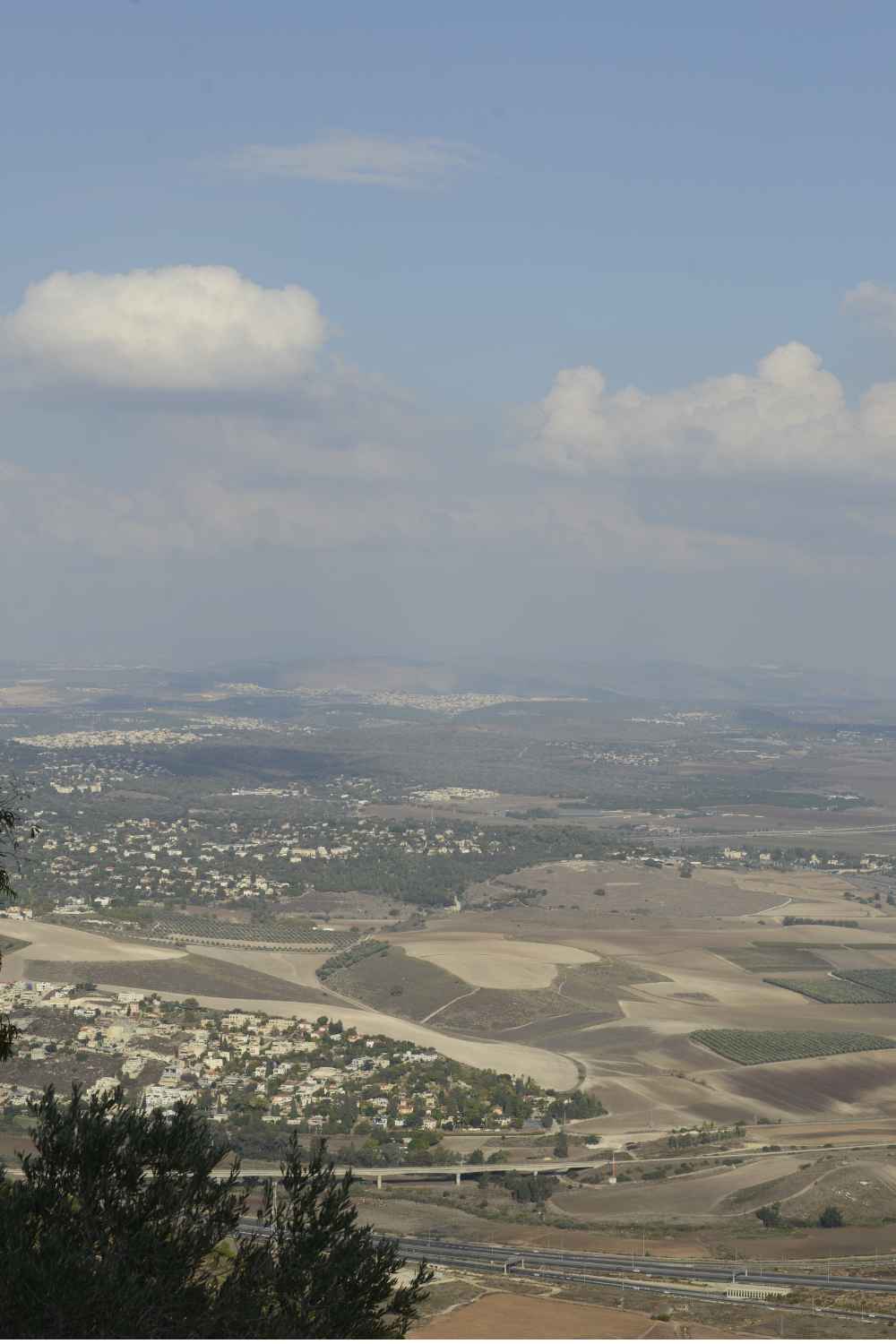
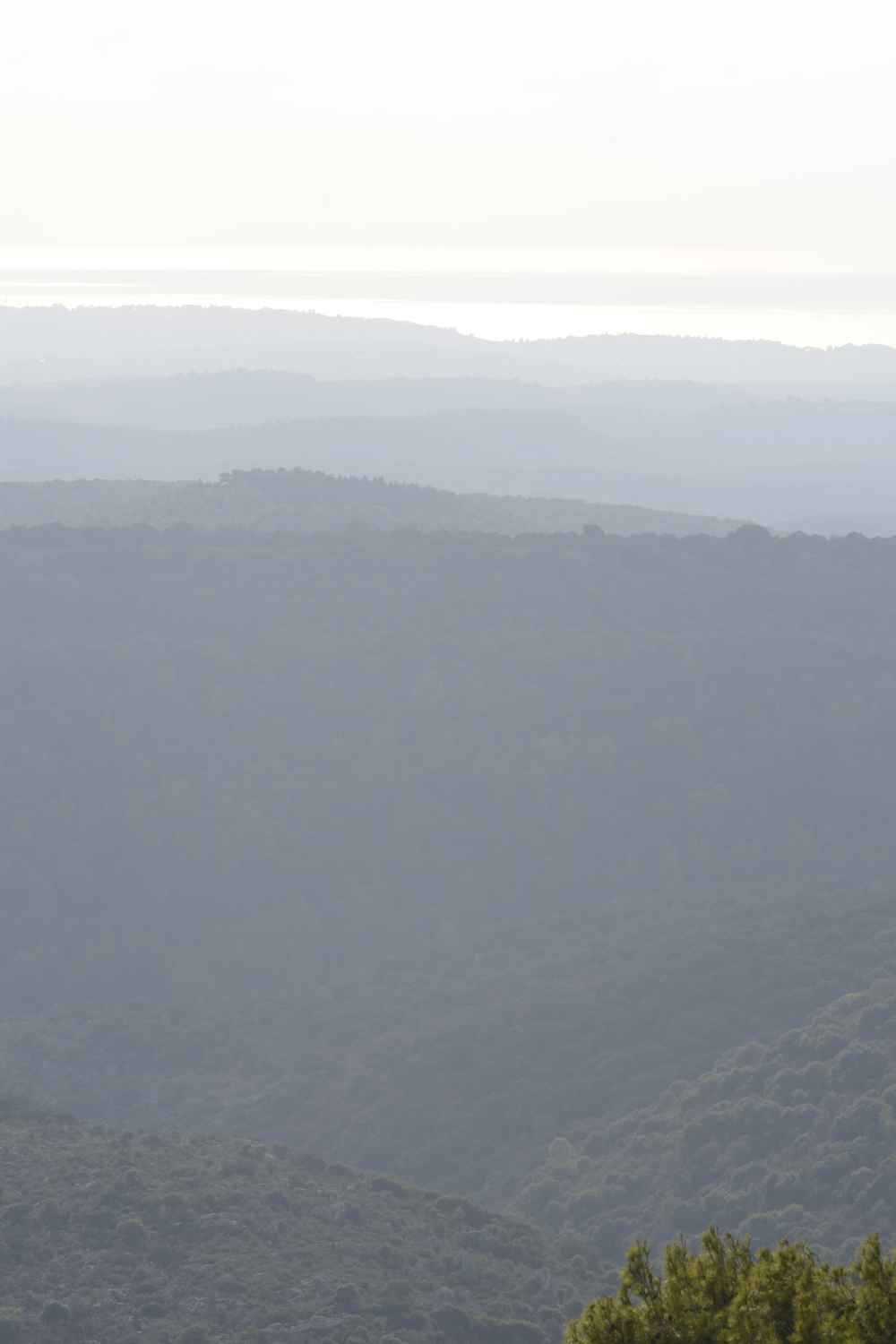
Today, the monastery offers one of the most impressive 360° views in Israel from its rooftop balcony—stretching from the Jezreel Valley in the east to the Mediterranean Sea in the west, south toward central Israel, and north toward Mount Tabor and beyond.
The church within the monastery is modest, peaceful, and quietly inviting.
We recommend combining your visit with a short trip to nearby Daliyat al-Karmel, where you can enjoy warm Druze hospitality, authentic Middle Eastern cuisine, and a colorful, lively local bazaar.
Top Hotels in Haifa
Looking for hotels in Haifa? Top picks located at Haifa’s German colony include the stylish Colony Hotel, the Golden Crown, and the trendy Schumacher Hotel.